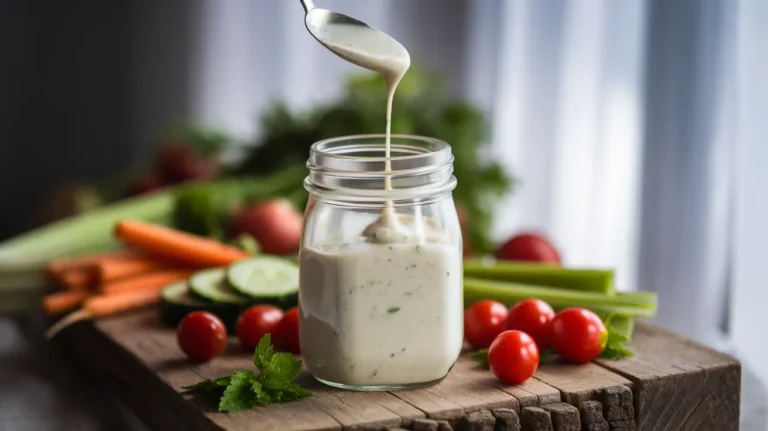
This vibrant Vegan Pasta Salad combines fresh vegetables, herbs, and a tangy vinaigrette for the ultimate plant-based side dish. Whether you’re hosting a summer barbecue or need a quick weeknight dinner, this Vegan Pasta Salad delivers maximum flavor with minimal effort. Our detailed beginner-friendly guide ensures your Vegan Pasta Salad turns out perfectly every time.
Recipe Info
SERVES: 4 | PREP: 20 MIN | COOK: 12 MIN | TOTAL: 32 MIN
Ingredients
Pasta Base
| Ingredient | Amount |
|---|---|
| Whole wheat rotini pasta | 12 oz |
| Salt for pasta water | 1 tablespoon |
Fresh Vegetables
| Ingredient | Amount |
|---|---|
| Cherry tomatoes, halved | 2 cups |
| English cucumber, diced | 1 large |
| Red bell pepper, chopped | 1 medium |
| Red onion, thinly sliced | 1/2 medium |
| Fresh basil leaves, chopped | 1/2 cup |
| Fresh parsley, chopped | 1/4 cup |
Tangy Vinaigrette
| Ingredient | Amount |
|---|---|
| Extra virgin olive oil | 1/3 cup |
| Red wine vinegar | 3 tablespoons |
| Dijon mustard | 1 tablespoon |
| Garlic cloves, minced | 2 large |
| Dried oregano | 1 teaspoon |
| Salt | 1/2 teaspoon |
| Black pepper, freshly ground | 1/4 teaspoon |
| Nutritional yeast | 2 tablespoons |
Optional Additions
| Ingredient | Amount |
|---|---|
| Kalamata olives, pitted and halved | 1/2 cup |
| Artichoke hearts, chopped | 1/2 cup |
| Pine nuts, toasted | 1/4 cup |
Detailed Step-by-Step Vegan Pasta Salad Instructions
Phase 1: Pasta Preparation (12 minutes)
1. Prepare Your Large Cooking Pot Fill a large, heavy-bottomed pot (at least 6-8 quart capacity) with 8-10 cups of cold water. The pot should be large enough that the pasta has plenty of room to move around freely while cooking. Place the pot on your stove’s largest burner over high heat. Cover with a lid to help the water come to a boil faster.
Beginner tip: A larger pot prevents pasta from sticking together and ensures even cooking. Never use a small pot for pasta—it leads to gummy, unevenly cooked noodles.
2. Season the Water Properly Once you see large bubbles rapidly breaking the surface (this is a “rolling boil”), remove the lid and add 1 tablespoon of salt. Stir the water with a long-handled spoon to dissolve the salt completely. The water should taste noticeably salty—almost like seawater.
Why this matters: This is your only opportunity to season the pasta itself. Unsalted pasta water results in bland Vegan Pasta Salad that no amount of dressing can fix.
Safety reminder: Always add salt after the water boils to prevent pitting your pot’s surface.
3. Add Pasta to Boiling Water Carefully pour the entire 12 oz box of rotini pasta into the rapidly boiling water. Use a long-handled spoon to immediately stir the pasta for the first 30 seconds. This prevents the pieces from sticking to each other or the bottom of the pot. Continue stirring occasionally throughout cooking.
Visual cue: You should see the pasta pieces moving freely in the bubbling water. If they’re clumping together, stir more frequently.
Temperature check: The water should return to a boil within 1-2 minutes after adding pasta. If it doesn’t, your heat might be too low.
4. Cook to Perfect Al Dente Texture Cook the pasta for 10-12 minutes, following the package directions but checking for doneness starting at 8 minutes. To test: use a fork or slotted spoon to fish out one piece of pasta. Let it cool for 10 seconds, then bite into it. Properly cooked pasta should be tender throughout but still have a slight firmness when you bite down—this is called “al dente.”
Beginner’s testing method: The pasta should not be crunchy in the center, but it shouldn’t be mushy either. If you see a thin white line in the center when you bite it, cook for 1-2 more minutes.
Common mistake: Overcooking pasta for salad. Remember, it will soften slightly more as it absorbs dressing, so slightly undercooking is better than overcooking.
5. Reserve Pasta Cooking Water Before draining, use a heat-proof measuring cup or ladle to scoop out 1/2 cup of the starchy pasta cooking water. Set this aside—you’ll use it later if your Vegan Pasta Salad needs moisture. This starchy, salty water helps bind the dressing to the pasta better than plain water.
Pro tip: This step is easy to forget but incredibly important. The starchy water is like liquid gold for adjusting pasta salad consistency.
6. Drain and Cool the Pasta Place a large colander in your sink. Carefully pour the pasta and cooking water into the colander, letting the hot water drain completely. Immediately run cold tap water over the pasta for 30-60 seconds, tossing the pasta gently with your hands (the cold water will cool it quickly) until the pasta feels cool to touch.
Why we rinse: Cold pasta absorbs dressing better and prevents wilting delicate vegetables. Hot pasta would turn your crisp vegetables into mush.
Texture check: After rinsing, the pasta should feel cool and slightly firm. Shake the colander vigorously to remove excess water.
Phase 2: Detailed Vegetable Preparation (15 minutes)
7. Prepare Cherry Tomatoes Properly Rinse 2 cups of cherry tomatoes under cold water and pat them completely dry with paper towels. Using a sharp paring knife, cut each tomato in half from top to bottom (through the stem end). Place the halved tomatoes cut-side down on a clean kitchen towel or several layers of paper towels for 5 minutes to drain excess moisture.
Why this step matters: Tomatoes contain lots of water that can make your Vegan Pasta Salad watery and dilute the dressing. Draining them prevents this problem.
Knife safety: Keep your fingertips curved under and away from the blade. Roll the tomato slightly as you cut to keep it stable.
8. Dice Cucumber with Precision Wash 1 large English cucumber (these have thin, edible skins and fewer seeds). Pat dry with paper towels. Using a sharp chef’s knife, trim off both ends. Cut the cucumber in half lengthwise, then place each half cut-side down on your cutting board. Slice each half lengthwise into 1/2-inch strips, then cut across the strips to create 1/2-inch dice pieces.
Size guide: Aim for pieces roughly the same size as your rotini pasta. This ensures every bite has balanced flavors and textures.
No-seed method: If your cucumber has large seeds, use a small spoon to scrape them out after cutting lengthwise but before dicing.
9. Master Bell Pepper Preparation Wash 1 medium red bell pepper and pat dry. Place it on your cutting board stem-side up. Using a sharp knife, make 4 vertical cuts around the pepper, avoiding the white core and seeds. You’ll end up with 4 flat pepper “walls.” Lay each piece flat and cut into 1/2-inch strips, then cut across the strips to create bite-sized squares.
Visual cue: Your pepper pieces should be roughly the same size as your cucumber pieces—about 1/2 inch on each side.
Waste-saving tip: Save the pepper core and any large pieces for snacking or add to a vegetable stock bag in your freezer.
10. Tame the Red Onion Bite Peel 1/2 medium red onion and cut it in half from top to bottom. Place one half cut-side down (save the other half for another use). Make thin horizontal cuts about 1/8-inch apart, leaving the root end intact to hold the onion together. Then make vertical cuts to create thin slices. Place these slices in a small bowl and cover with cold water. Let soak for 10 minutes.
Why we soak: Raw onion can be overwhelmingly sharp. Soaking removes some of the harsh compounds while maintaining the crisp texture and mild onion flavor perfect for Vegan Pasta Salad.
Tear-prevention tip: Chill your onion in the refrigerator for 30 minutes before cutting, or cut near an open window with good ventilation.
11. Properly Prepare Fresh Herbs Gently wash 1/2 cup fresh basil leaves and 1/4 cup fresh parsley in cool water. Pat completely dry with paper towels or use a salad spinner. For basil: stack 5-6 leaves at a time, roll them tightly like a cigar, then slice across the roll to create thin strips (this is called “chiffonade”). For parsley: remove thick stems and roughly chop the leaves.
Herb-handling tip: Wet herbs turn black and slimy quickly. Make sure they’re completely dry before chopping.
Storage note: If preparing ahead, wrap clean, dry herbs in slightly damp paper towels and store in the refrigerator until ready to use.
Phase 3: Master the Vegan Pasta Salad Dressing (8 minutes)
12. Create the Base Emulsion In your large serving bowl (at least 4-quart capacity), combine 1/3 cup extra virgin olive oil and 3 tablespoons red wine vinegar. Using a wire whisk, vigorously whisk for 30 seconds until the mixture looks creamy and slightly thickened. This temporary emulsion helps the oil and vinegar stay combined longer.
Whisking technique: Use quick, circular motions, lifting the whisk slightly to incorporate air. You’ll see the mixture become lighter in color when properly emulsified.
Oil quality matters: Use good-quality extra virgin olive oil since it’s a major flavor component in your Vegan Pasta Salad.
13. Build Flavor Layers Add 1 tablespoon Dijon mustard to the oil and vinegar mixture. Whisk until completely smooth—there should be no visible mustard streaks. Next, add 2 large garlic cloves that you’ve minced very finely (use a garlic press if you have one). Add 1 teaspoon dried oregano, crushing it between your fingers as you add it to release more flavor.
Mustard’s role: Dijon acts as an emulsifier (helps oil and vinegar stay mixed) and adds tangy depth that complements the vegetables.
Garlic prep: For best flavor, mince garlic just before using. Pre-minced garlic from a jar works in a pinch but won’t be as flavorful.
14. Season and Balance the Dressing Add 1/2 teaspoon salt, 1/4 teaspoon freshly ground black pepper, and 2 tablespoons nutritional yeast to your dressing base. Whisk everything together until completely combined—about 1 minute of vigorous whisking. Taste the dressing with a clean spoon. It should taste bright, tangy, and well-seasoned.
Nutritional yeast explained: This deactivated yeast adds a nutty, almost cheese-like flavor that makes the Vegan Pasta Salad taste rich and satisfying. Find it in the health food section of most grocery stores.
Seasoning balance: The dressing should taste slightly over-seasoned on its own since it will be diluted when mixed with pasta and vegetables.
Phase 4: Assembly and Final Vegan Pasta Salad Touches (10 minutes)
15. Combine Pasta and Dressing First Add your completely cooled, drained pasta to the bowl with the prepared dressing. Using a large spoon or pasta fork, gently toss the pasta for 1-2 minutes, making sure every piece gets coated with dressing. The pasta should look glossy and well-coated but not swimming in dressing.
Mixing technique: Use a “folding” motion rather than stirring. Lift pasta from the bottom and fold it over the top. This prevents breaking the pasta pieces.
Temperature importance: Make sure pasta is completely cool. Even slightly warm pasta will wilt your fresh herbs and vegetables.
16. Add Vegetables in Order Drain your soaked red onion slices and pat them dry with paper towels. Add the onions to the pasta along with your prepared tomatoes, cucumber, and bell pepper. Gently fold everything together, making sure vegetables are distributed evenly throughout the pasta.
Folding tip: Add vegetables gradually, folding gently after each addition. This prevents bruising delicate ingredients.
Visual check: Your Vegan Pasta Salad should look colorful and balanced—you should see vegetables in every spoonful.
17. Finish with Fresh Herbs Add your prepared basil and parsley to the salad. Using clean hands or a large spoon, very gently fold the herbs into the salad. Be extra gentle here—herbs bruise easily and can turn black if handled roughly.
Herb timing: Always add fresh herbs last to preserve their bright color and fresh flavor.
Color preservation: If making ahead, consider adding half the herbs now and reserving half to add just before serving.
18. Final Seasoning and Consistency Check Taste your Vegan Pasta Salad and adjust seasoning as needed. If it tastes bland, add a pinch more salt or a splash of vinegar. If the salad seems dry or the pasta looks chalky, add the reserved pasta cooking water 1 tablespoon at a time, mixing gently after each addition.
Seasoning evolution: Flavors will meld and intensify as the salad chills, so go easy on additional seasonings at this stage.
Consistency goal: The salad should be moist but not wet, with each component lightly coated in dressing.
19. Chill for Optimal Flavor Development Cover your Vegan Pasta Salad with plastic wrap or transfer to an airtight container. Refrigerate for at least 30 minutes before serving, but 2-4 hours is even better. This chilling time allows the pasta to absorb flavors and the overall taste to develop complexity.
Make-ahead advantage: This Vegan Pasta Salad actually tastes better the next day as flavors have more time to meld together.
Storage tip: Store covered in the refrigerator for up to 4 days. Always give it a gentle stir before serving.
Chef’s Notes for Perfect Vegan Pasta Salad
Pasta Shape Selection: Rotini’s spiral ridges grab and hold dressing better than smooth pasta shapes. Vegan Pasta Salad works equally well with penne, fusilli, or farfalle—choose shapes with nooks and crannies.
Dressing Balance: The key to outstanding Vegan Pasta Salad lies in balancing acidity, fat, and seasoning. Start with less dressing and add more as needed—you can always add more but can’t take it away.
Vegetable Variations: Feel free to swap vegetables based on seasonal availability. Zucchini, carrots, and snap peas all work beautifully in this Vegan Pasta Salad recipe.
Storage Success: This Vegan Pasta Salad improves with time as flavors develop. Store covered in refrigerator for up to 4 days, adding fresh herbs before serving if desired.
Nutrition Information (Per Serving)
- Calories: 385
- Protein: 12g
- Carbohydrates: 58g
- Fat: 14g
- Fiber: 8g
- Sodium: 320mg
Creative Vegan Pasta Salad Variations
Mediterranean Vegan Pasta Salad
Add sun-dried tomatoes, capers, and fresh dill for Greek-inspired flavors. Include vegan feta cheese crumbles for extra richness and authentic Mediterranean taste.
Italian Herb Vegan Pasta Salad
Incorporate roasted red peppers, fresh mozzarella alternative, and balsamic vinegar for authentic Italian taste. This variation pairs beautifully with crusty bread.
Protein-Packed Vegan Pasta Salad
Boost nutrition by adding chickpeas, white beans, or hemp hearts. This variation pairs perfectly with our vegan banana bread for a complete, satisfying meal.
Spicy Southwest Style
Transform your Vegan Pasta Salad with corn, black beans, cilantro, and lime-jalapeño dressing for vibrant Tex-Mex flair that’s perfect for summer gatherings.
Storage & Reheating Guidelines
Refrigerator Storage: Keep Vegan Pasta Salad covered for up to 4 days. Flavors actually improve after the first day as ingredients meld together.
Freezer Storage: Not recommended as vegetables lose texture when frozen and thawed. Fresh vegetables are key to great Vegan Pasta Salad.
Serving Temperature: Serve chilled or at room temperature. Remove from refrigerator 15 minutes before serving for best flavor development.
Refreshing Leftovers: Add fresh herbs, a splash of vinegar, or extra olive oil to revive day-old Vegan Pasta Salad and restore its vibrant flavors.

Troubleshooting Common Vegan Pasta Salad Issues
Problem: Pasta salad tastes bland after chilling. Solution: Cold temperatures dull flavors. Add extra salt, acid (vinegar/lemon), and fresh herbs before serving your Vegan Pasta Salad.
Problem: Salad becomes dry overnight. Solution: Pasta absorbs dressing over time. Refresh with olive oil and vinegar in 2:1 ratio to restore proper consistency.
Problem: Vegetables release too much water. Solution: Pat tomatoes and cucumbers completely dry. Salt cucumber pieces and let drain for 10 minutes before adding to prevent watery Vegan Pasta Salad.
Problem: Onion flavor is too strong. Solution: Soak sliced onions in ice water for 10 minutes, then pat dry before adding to balance flavors in your Vegan Pasta Salad.
Problem: Herbs turn black or wilted. Solution: Add fresh herbs just before serving, or store separately and mix in at the last minute to maintain vibrant color.
Equipment Essentials
- Large pot (6-8 quart capacity)
- Colander for draining pasta
- Large mixing bowl (4+ quart capacity)
- Sharp chef’s knife for chopping vegetables
- Cutting board (preferably two – one for onions)
- Measuring cups and spoons
- Wire whisk for dressing
- Large serving spoon for mixing
Shopping List by Store Section
Produce Section
- Cherry tomatoes (2 cups)
- English cucumber (1 large)
- Red bell pepper (1 medium)
- Red onion (1/2 medium)
- Fresh basil (1 bunch)
- Fresh parsley (1 bunch)
- Garlic (1 head)
Pantry Aisle
- Whole wheat rotini pasta (12 oz)
- Extra virgin olive oil
- Red wine vinegar
- Dijon mustard
- Dried oregano
- Salt and black pepper
- Nutritional yeast
Optional Additions
- Kalamata olives
- Artichoke hearts (jarred)
- Pine nuts
Success Secrets for Perfect Vegan Pasta Salad
1. Salt your pasta water generously—it should taste like seawater. This is your only chance to season the pasta itself and create flavorful Vegan Pasta Salad.
2. Cool pasta completely before adding dressing. Warm pasta will wilt herbs and make vegetables soggy, ruining your Vegan Pasta Salad texture.
3. Make dressing in the serving bowl to save dishes and ensure even distribution when you add pasta for efficient Vegan Pasta Salad preparation.
4. Prep vegetables uniformly for consistent bites. Aim for pieces roughly the same size as your pasta for balanced Vegan Pasta Salad texture.
5. Let flavors develop by chilling for at least 30 minutes. Vegan Pasta Salad tastes best when ingredients have time to meld together into a cohesive, delicious dish.
This comprehensive Vegan Pasta Salad guide proves that plant-based eating never means sacrificing flavor. Perfect for meal prep, potlucks, or quick weeknight dinners, this detailed recipe delivers fresh, satisfying results every single time, even for complete beginners.