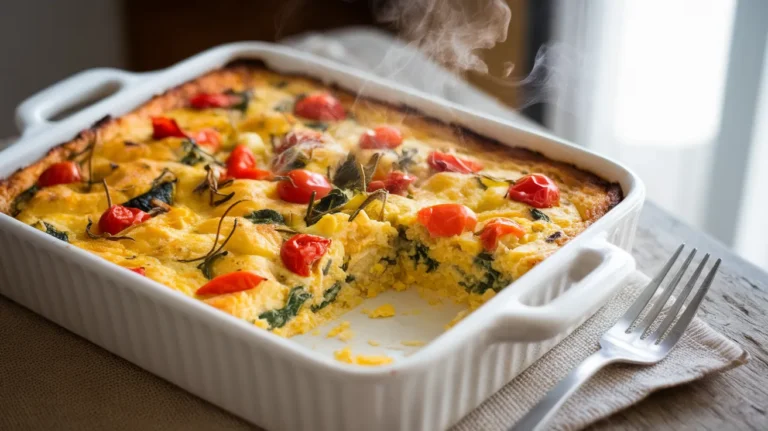
These pillowy vegan pierogi are stuffed with creamy potato and caramelized onion filling, delivering all the comfort food satisfaction without any dairy or eggs. Perfect for cozy dinners, these plant-based Polish dumplings prove that vegan pierogi can be just as satisfying as the original – maybe even better!
SERVES: 4 | PREP: 45 MIN | COOK: 25 MIN | TOTAL: 70 MIN
Ingredients
For the Dough:
| Ingredient | Amount |
|---|---|
| All-purpose flour | 2½ cups |
| Warm water | ¾ cup |
| Olive oil | 3 tablespoons |
| Salt | 1 teaspoon |
For the Filling:
| Ingredient | Amount |
|---|---|
| Russet potatoes (peeled) | 2 pounds |
| Yellow onions (diced) | 2 medium |
| Vegan butter | 4 tablespoons |
| Nutritional yeast | 3 tablespoons |
| Garlic powder | 1 teaspoon |
| Salt | 1½ teaspoons |
| Black pepper | ½ teaspoon |
For Serving:
| Ingredient | Amount |
|---|---|
| Vegan butter | 2 tablespoons |
| Yellow onions (sliced) | 1 large |
| Fresh dill | 2 tablespoons |
| Vegan sour cream | ½ cup |
Step-by-Step Instructions
Phase 1: Prepare the Filling (20 minutes)
Step 1: Cut potatoes into 1-inch chunks for even cooking. This size ensures they cook through completely without becoming mushy on the outside.
Step 2: Boil potatoes in salted water for 15-18 minutes until fork-tender. The fork should slide through with no resistance – this is crucial for smooth mashing.
Step 3: While potatoes cook, heat 2 tablespoons vegan butter in a large skillet over medium heat. Add diced onions and cook for 8-10 minutes, stirring occasionally.
Step 4: Continue cooking onions until golden brown and caramelized. This step adds incredible depth to your vegan pierogi filling – don’t rush it!
Step 5: Drain potatoes thoroughly and let steam evaporate for 2 minutes. Excess moisture will make your filling too wet and difficult to work with.
Step 6: Mash potatoes until completely smooth, then fold in caramelized onions, remaining vegan butter, nutritional yeast, garlic powder, salt, and pepper. Taste and adjust seasoning.
Phase 2: Make the Dough (15 minutes)
Step 7: Combine flour and salt in a large bowl, creating a well in the center. This traditional method ensures even distribution of ingredients.
Step 8: Mix warm water and olive oil, then pour into the flour well. The water should be warm to touch but not hot – this helps create tender dough.
Step 9: Stir with a wooden spoon until shaggy dough forms, then knead on floured surface for 5-6 minutes until smooth and elastic.
Step 10: Wrap dough in plastic wrap and rest for 15 minutes. This relaxes the gluten, making rolling much easier.
Phase 3: Assemble the Vegan Pierogi (25 minutes)
Step 11: Divide dough into 4 portions for easier handling. Roll each portion into ⅛-inch thickness on well-floured surface.
Step 12: Cut 4-inch circles using a large glass or cookie cutter. Re-roll scraps to minimize waste – you should get about 24 pieces total.
Step 13: Place 1 tablespoon filling in center of each circle. Don’t overfill, as this causes bursting during cooking.
Step 14: Brush edges with water, fold in half, and press firmly to seal. Use a fork to crimp edges for extra security and traditional appearance.
Step 15: Place finished vegan pierogi on floured baking sheet, ensuring they don’t touch to prevent sticking.
Phase 4: Cooking (10 minutes)
Step 16: Bring large pot of salted water to rolling boil. Add pierogi in batches of 6-8 to avoid overcrowding.
Step 17: Cook for 3-4 minutes until they float to surface, then continue cooking 1 more minute. Floating indicates the dough is fully cooked.
Step 18: Remove with slotted spoon and drain briefly. For extra flavor, pan-fry in vegan butter for 2-3 minutes until golden.
Step 19: Meanwhile, sauté sliced onions in remaining vegan butter until golden and fragrant, about 5 minutes.
Step 20: Serve hot vegan pierogi topped with caramelized onions, fresh dill, and vegan sour cream.
Chef’s Notes
Temperature Control: Keep your skillet at medium heat when caramelizing onions. High heat burns them before they develop sweetness, ruining the flavor profile of your vegan pierogi.
Dough Consistency: The perfect pierogi dough should feel soft and pliable, not sticky. Add flour gradually if too wet, or water if too dry.
Filling Balance: Nutritional yeast adds the cheesy flavor traditional pierogi get from dairy. Start with 3 tablespoons and adjust to taste.
Make-Ahead Magic: Freeze uncooked vegan pierogi on baking sheets, then transfer to bags. Cook straight from frozen, adding 2 extra minutes to boiling time.
Nutrition Information (Per Serving)
- Calories: 485
- Protein: 12g
- Carbohydrates: 78g
- Fat: 15g
- Fiber: 5g
- Sodium: 920mg
Creative Variations
Mushroom & Herb Vegan Pierogi: Replace half the potato filling with sautéed mushrooms and fresh thyme. The earthy flavors pair beautifully with the traditional onion base.
Sweet Potato & Sage: Substitute orange sweet potatoes for regular potatoes and add fresh sage. This autumn-inspired version brings natural sweetness to your vegan pierogi.
Spinach & Garlic: Fold chopped sautéed spinach and roasted garlic into the potato mixture. Similar to our vegan ravioli, this green variation adds nutrition and color.
Cabbage & Caraway: Mix in sautéed cabbage and caraway seeds for an authentic Polish flavor. This traditional combination works perfectly in vegan form, just like our creative vegan sushi bake reimagines classic dishes.
Storage & Reheating
Refrigerator: Store cooked vegan pierogi in the fridge for up to 3 days in airtight containers. Layer with parchment paper to prevent sticking.
Freezing: Freeze uncooked pierogi on baking sheets until solid, then transfer to freezer bags. They keep for 3 months and cook straight from frozen.
Reheating: Pan-fry leftover pierogi in vegan butter until crispy and heated through. This method restores the perfect texture better than microwaving.
Batch Cooking: Double the recipe and freeze half for quick weeknight dinners. Having homemade vegan pierogi ready makes meal planning effortless.

Troubleshooting Common Issues
Dough Tears While Rolling: Your dough may be too dry or hasn’t rested enough. Cover with damp towel and let rest 10 more minutes, or add water gradually.
Filling Leaks During Cooking: You’re likely overfilling or not sealing edges properly. Use less filling and press edges firmly with fork tines.
Pierogi Stick Together: Dust generously with flour when storing, and don’t let them touch on baking sheets. Flour prevents the sticky situation entirely.
Filling Too Wet: Excess moisture makes sealing impossible. Let cooked potatoes cool completely and drain well before mashing to avoid soggy vegan pierogi.
Tough Texture: Overworked dough creates tough pierogi. Knead just until smooth, then let rest. The gluten needs time to relax for tender results.
Equipment Essentials
- Large mixing bowls for dough and filling
- Rolling pin for even dough thickness
- 4-inch round cutter or large glass
- Large pot for boiling water
- Slotted spoon for safe removal
- Non-stick skillet for pan-frying
- Potato masher for smooth filling
Shopping List
Produce Section:
- 2 pounds russet potatoes
- 3 medium yellow onions
- Fresh dill bunch
- Garlic (if using fresh instead of powder)
Pantry Items:
- All-purpose flour
- Olive oil
- Salt and black pepper
- Garlic powder
Refrigerated Section:
- Vegan butter
- Nutritional yeast
- Vegan sour cream
Success Secrets
- Perfect Potato Prep: Use russet potatoes for the fluffiest filling. Waxy potatoes create gummy texture that won’t hold up in your vegan pierogi.
- Temperature Matters: Let hot filling cool before assembling. Hot filling melts the dough and makes sealing impossible.
- Seal Like a Pro: Brush dough edges with water before folding. This creates the glue that keeps your vegan pierogi intact during cooking.
- Don’t Skip the Rest: Letting dough rest 15 minutes makes rolling exponentially easier. Rushed dough fights back and tears.
- Test Cook One First: Boil a single pierogi to check seasoning and cooking time. This prevents disappointment with the entire batch.