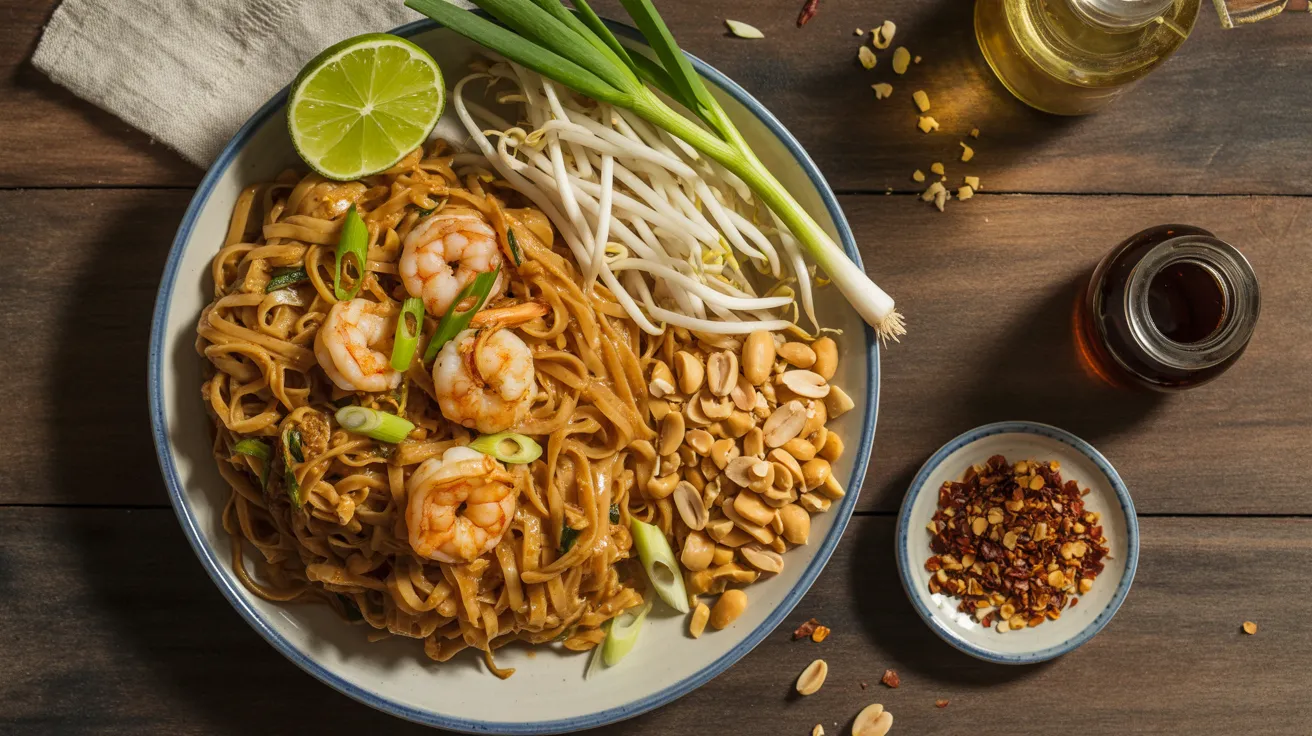
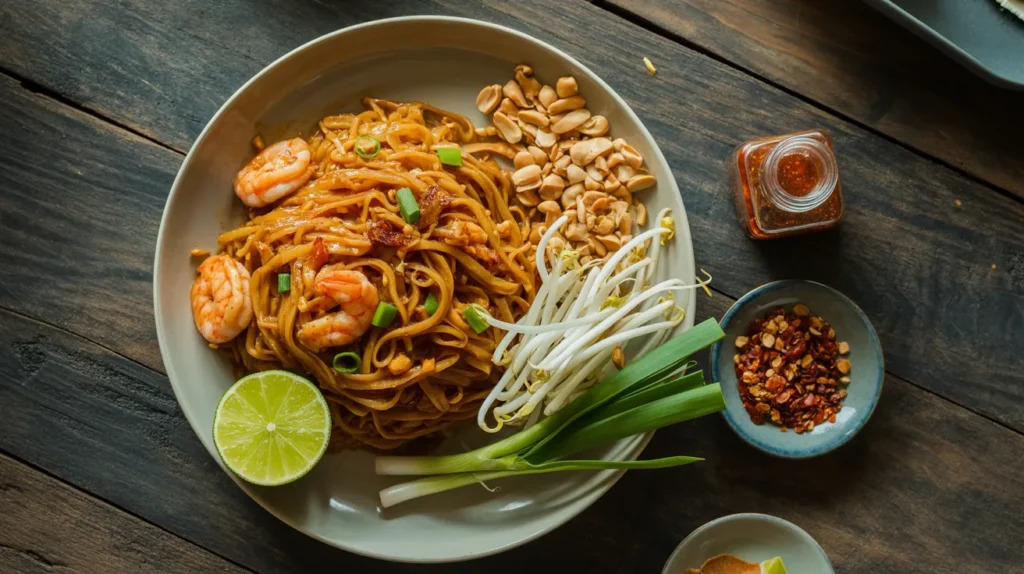
The secret to great Pad Thai has always been the sauce. A real authentic pad thai sauce tamarind fish sauce recipe starts with two non-negotiables: tangy tamarind paste and savory fish sauce. This authentic pad thai sauce tamarind fish sauce recipe is what turns a flat, boring noodle dish into the bold, restaurant-quality plate you’ve been craving — all made right in your own kitchen.
SERVES: 4 | PREP: 10 MIN | COOK: 5 MIN | TOTAL: 15 MIN
What Makes This Pad Thai Sauce Different
Most store-bought Pad Thai sauces are loaded with sugar and skip the ingredients that give this dish its soul.
Real Pad Thai sauce gets its depth from tamarind concentrate, its saltiness from fish sauce, and its balance from just the right amount of palm sugar. Get those three right and everything else falls into place.
This recipe gives you full control over every flavor — sour, salty, and sweet. You’ll know exactly what’s going in the pan.
Ingredients for Authentic Pad Thai Sauce
The Sauce
| Ingredient | Amount |
|---|---|
| Tamarind concentrate (or paste) | 3 tablespoons |
| Fish sauce | 3 tablespoons |
| Palm sugar (or light brown sugar) | 2 tablespoons |
| Oyster sauce | 1 tablespoon |
| Water | 2 tablespoons |
The Noodle Base (for 4 servings)
| Ingredient | Amount |
|---|---|
| Dried rice noodles (3mm wide) | 200g (7 oz) |
| Neutral oil (vegetable or canola) | 3 tablespoons |
| Garlic cloves, minced | 3 cloves |
| Shallots, thinly sliced | 2 medium |
| Eggs | 2 large |
Proteins & Toppings
| Ingredient | Amount |
|---|---|
| Medium shrimp, peeled and deveined (or firm tofu) | 250g (9 oz) |
| Bean sprouts | 1 cup |
| Green onions, cut into 1-inch pieces | 3 stalks |
| Roasted peanuts, roughly chopped | ¼ cup |
| Lime wedges | 4 wedges |
| Dried chili flakes (optional) | 1 teaspoon |
Step-by-Step Instructions
Phase 1: Prep Your Noodles (30 Minutes Ahead)
Step 1: Soak the rice noodles. Place your dried rice noodles in a large bowl. Cover them completely with room-temperature water (not hot). Let them soak for 25–30 minutes until they bend easily without snapping. They should be flexible but still a little firm — they’ll finish cooking in the wok. Drain them and set aside. Why room-temp water? Hot water makes noodles mushy before they even hit the pan.
Step 2: Prep your protein. If using shrimp, pat them dry with paper towels. Dry shrimp sear better and don’t release water into your sauce. If using tofu, press it between two plates with a heavy book on top for 15 minutes, then cut into ¾-inch cubes. Set protein aside on a clean plate.
Step 3: Prep your aromatics. Mince your 3 garlic cloves as finely as you can — about the size of rice grains. Slice your 2 shallots thin, about ⅛-inch thick. Cut your green onions into 1-inch pieces, keeping the white and green parts separate. The white parts go in early, the green parts go on top at the end.
Phase 2: Mix the Authentic Pad Thai Sauce
Step 4: Combine all sauce ingredients in a bowl. In a small bowl, add 3 tablespoons tamarind concentrate, 3 tablespoons fish sauce, 2 tablespoons palm sugar, 1 tablespoon oyster sauce, and 2 tablespoons water. Whisk everything together until the sugar fully dissolves. This takes about 60 seconds of active stirring.
Step 5: Taste and adjust your sauce. Dip a clean spoon in and taste your authentic pad thai sauce tamarind fish sauce mixture. It should hit sour first (tamarind), then salty (fish sauce), then lightly sweet at the finish. If it’s too sour, add ½ teaspoon more sugar. If it’s too sweet, add ½ teaspoon more fish sauce. If it tastes flat, add ½ teaspoon more tamarind. Getting this balance right before cooking is the most important step in this entire recipe.
⚠️ Important Note on Tamarind: If you’re using a tamarind block instead of concentrate, dissolve 2 tablespoons of tamarind pulp in 4 tablespoons of warm water. Press it through a fine mesh strainer, discard the seeds and fibers, and use the liquid in place of concentrate.
Phase 3: Cook the Pad Thai
Step 6: Heat your wok or large skillet. Set your wok or largest skillet over high heat. Let it heat for 2 full minutes — you want it very hot before anything goes in. A properly heated pan is what gives Pad Thai that slightly smoky, restaurant-quality flavor called “wok hei.” When a drop of water flicked onto the surface evaporates instantly, you’re ready.
Step 7: Add oil and cook the protein. Add 2 tablespoons of neutral oil to the hot wok. Add your shrimp or tofu in a single layer. Do not stir for the first 60 seconds — let it sear. For shrimp, cook until pink and just curled, about 2 minutes total. For tofu, cook until golden on two sides, about 3 minutes total. Remove the protein from the wok and set it aside on a clean plate. The wok stays on the heat.
Step 8: Cook the aromatics. Add 1 more tablespoon of oil to the hot wok. Add the minced garlic and white parts of the green onion. Stir constantly for 30–45 seconds. You’ll smell the garlic becoming fragrant. Don’t walk away — garlic burns fast on high heat and burned garlic turns bitter.
Step 9: Add the drained noodles. Add your soaked, drained noodles directly to the wok. Use tongs or two wooden spatulas to toss the noodles with the garlic and oil. Keep them moving for 1 minute so they start picking up a little color. If they stick together, add a tiny splash of water — about 1 tablespoon — to loosen them.
Step 10: Pour in the sauce. Pour your authentic pad thai sauce tamarind fish sauce mixture evenly over the noodles. Use your tongs to toss everything together immediately. The sauce will start to absorb and caramelize. Keep tossing for about 1–2 minutes until the noodles are fully coated and the sauce has reduced slightly. The noodles should look glossy and slightly sticky — that’s exactly right.
Step 11: Push noodles to the side. Scramble the eggs. Push the sauced noodles to one side of the wok. The empty half of the wok should still be very hot. Crack your 2 eggs directly into that empty space. Let them sit untouched for 15 seconds so the whites start to set. Then scramble them quickly with a spatula — about 30 seconds — before they’re fully cooked. While still slightly wet, fold the egg into the noodles and toss everything together. The egg will finish cooking as it coats the noodles.
Step 12: Add the protein back. Return your cooked shrimp or tofu to the wok. Toss everything together for 30 seconds so the protein heats through and picks up the sauce coating.
Step 13: Add the bean sprouts and green onion tops. Turn off the heat. Add 1 cup of bean sprouts and the green tops of your green onions. Toss them in for just 15–20 seconds. The residual heat will soften the sprouts slightly without making them limp. You still want a little crunch.
Step 14: Plate immediately. Divide the Pad Thai between 4 plates right away. Noodles continue cooking from residual heat if left in the wok. Top each plate with chopped peanuts, a lime wedge, and dried chili flakes if using.
Chef’s Notes
Balance is everything in this authentic pad thai sauce tamarind fish sauce recipe. The tamarind is your acid, the fish sauce is your salt — neither one dominates. Taste your sauce before it hits the pan every single time you make this.
Don’t crowd the wok. This recipe is sized for 4 servings but cooked ideally in two batches of 2. A crowded wok steams instead of fries and you’ll end up with soggy noodles. If you only have a standard 12-inch skillet, cook in two batches.
Palm sugar vs. brown sugar. Palm sugar has a subtle, almost caramel-like richness that brown sugar can’t fully copy — but brown sugar works totally fine for a weeknight version. Grated palm sugar dissolves faster than the hard disc type, so give it an extra stir.
Fish sauce brand matters. Tiparos, Megachef, and Squid brand are all excellent for this tamarind fish sauce sauce. Avoid generic or off-brand fish sauce — it often smells harsh and lacks the clean, savory depth you need.
Nutrition Information (Per Serving)
| Nutrient | Amount |
|---|---|
| Calories | 485 kcal |
| Protein | 28g |
| Total Carbohydrates | 54g |
| Total Fat | 16g |
| Saturated Fat | 2.5g |
| Sodium | 1,420mg |
| Sugar | 9g |
| Fiber | 2g |
Calculated with shrimp, 2 eggs, peanuts, and all sauce ingredients. Values are estimates.
Variations
1. Chicken Pad Thai with Tamarind Sauce
Swap shrimp for 250g (9 oz) boneless chicken breast, sliced thin across the grain. Cook chicken first in Step 7 for 3–4 minutes until no longer pink in the center. The authentic pad thai sauce tamarind fish sauce base stays exactly the same.
2. Tofu Pad Thai (Vegetarian)
Replace fish sauce with 3 tablespoons of soy sauce plus 1 teaspoon of lime juice for a close flavor match. Use firm or extra-firm tofu pressed dry. This version pairs well with our Thai Satay Peanut Sauce with Coconut Milk served on the side as a dipping sauce for summer rolls.
3. Extra Spicy Tamarind Pad Thai
Add 1 tablespoon of sambal oelek or Thai chili paste directly into the sauce mix in Step 4. This layers the heat into the sauce itself rather than just sprinkling chili flakes on top at the end.
4. Pad Thai with Double Tamarind
Love the sour hit? Increase tamarind concentrate to 4 tablespoons and reduce palm sugar to 1½ tablespoons. This version has a bolder, tangier profile closer to how Pad Thai is served in northern Thailand. If you enjoy building Thai sauces, our Thai Pad Thai Sauce: Sweet Sour Balance Recipe breaks down even more ways to adjust that sweet-sour ratio.
Storage & Reheating
Storing leftover Pad Thai: Let the noodles cool to room temperature — no more than 30 minutes out of the pan. Transfer to an airtight container and refrigerate. Keeps well for up to 3 days.
Reheating on the stovetop (best method): Add a splash of water (1–2 tablespoons) to a hot skillet or wok. Add your leftover noodles and toss on medium-high heat for 2–3 minutes until hot throughout. The water prevents the noodles from drying out or clumping.
Reheating in the microwave: Place noodles in a microwave-safe bowl. Add 1 tablespoon of water and cover with a damp paper towel. Microwave on medium power (50%) in 60-second intervals, stirring between each, until heated through. High power tends to make the noodles rubbery.
Can you freeze Pad Thai? Technically yes, but the noodle texture suffers. If you do freeze it, pack in a freezer-safe bag with as much air removed as possible. Thaw overnight in the fridge and reheat on the stovetop. Bean sprouts and eggs won’t hold their texture well after freezing — expect a softer result.
Make-ahead tip: Mix the tamarind fish sauce ahead of time and store it in a sealed jar in the refrigerator for up to 1 week. Prep your aromatics and protein the night before. When it’s time to cook, the actual stir-fry takes under 10 minutes.
Troubleshooting
Problem 1: Noodles are sticking together in clumps. This usually means they were over-soaked or under-drained. Make sure you’re soaking in room-temperature water — not hot — and draining them well. If they clump in the wok, add a 1–2 tablespoon splash of water and toss quickly. They’ll separate.
Problem 2: Sauce tastes too salty. Fish sauce is very concentrated. If your sauce is too salty, add a small squeeze of lime juice and a pinch more palm sugar to bring it back into balance. Avoid adding extra tamarind — it can push the sourness too far in the other direction.
Problem 3: Noodles are mushy and breaking apart. The noodles went into the wok too soft. They should still have a slight snap when you bite them after soaking — they finish cooking in the wok. Next time, reduce soak time by 5 minutes. Also make sure your wok is very hot before the noodles go in.
Problem 4: The sauce isn’t coating the noodles — it’s pooling at the bottom. The wok temperature dropped when you added the noodles. This happens when using a skillet that’s too small or a burner that’s too weak. Turn the heat back up to high and keep tossing constantly. The liquid will absorb within 1–2 minutes of active tossing.
Problem 5: Eggs are overcooked and rubbery. The egg scramble step moves fast. Make sure to push noodles fully to one side so the egg hits bare, hot wok surface — not noodles. Scramble for only 20–30 seconds and fold into the noodles while still slightly wet. The residual heat finishes them perfectly.
Equipment Essentials
- Wok (14-inch carbon steel preferred) or largest skillet you own
- Wok spatula or two wooden spatulas for tossing
- Large mixing bowl for soaking noodles
- Small bowl for mixing the sauce
- Tongs for handling noodles
- Fine mesh strainer (if using tamarind block instead of concentrate)
- Kitchen scale (recommended for measuring noodles accurately)
- Serving tongs or forks for plating
No wok? A large, heavy-bottomed stainless steel or cast iron skillet works. Just make sure it’s fully preheated before adding oil.
Shopping List
Dry Goods / Asian Grocery Aisle
- Dried rice noodles (3mm width, also labeled “rice stick noodles”)
- Tamarind concentrate or tamarind paste
- Fish sauce
- Oyster sauce
- Palm sugar or light brown sugar
- Dried chili flakes
- Roasted peanuts (unsalted)
Produce Section
- Bean sprouts (fresh)
- Green onions (1 bunch)
- Shallots (2 medium)
- Garlic (1 head)
- Limes (2, for wedges and any extra squeeze)
Proteins
- Medium shrimp, peeled and deveined (fresh or frozen-thawed) OR firm tofu
Refrigerator / Dairy
- Eggs (2 large)
Oils
- Neutral cooking oil (vegetable, canola, or avocado oil)
5 Success Secrets for Perfect Authentic Pad Thai Sauce
1. Always taste the sauce before it hits the pan. Your tamarind concentrate and fish sauce can vary in intensity by brand. A quick taste check in the bowl takes 10 seconds and saves the whole dish. Adjust before cooking — not after.
2. Hot wok, fast hands. Pad Thai is a high-heat, fast-moving dish. Set everything up before you turn on the burner. Once the wok is hot, you’re moving quickly through every step. A lukewarm wok turns this into a steamed noodle dish, not a stir-fry.
3. Soak noodles in cold or room-temp water only. Hot water over-softens the noodles before they hit the wok. They need to finish cooking in the sauce — that’s how they absorb all the flavor from your authentic pad thai sauce tamarind fish sauce.
4. Don’t skip the lime at the table. A fresh squeeze of lime over the finished plate wakes up every flavor in the dish. It brightens the tamarind, cuts through the richness of the egg, and adds a pop of freshness. It’s not optional — it’s part of the recipe.
5. Cook in batches if your pan is small. A crowded wok steams everything instead of frying it. If you’re using a standard home burner and a 12-inch skillet, split this recipe into two rounds. The extra 5 minutes is worth it for properly caramelized, saucy noodles.