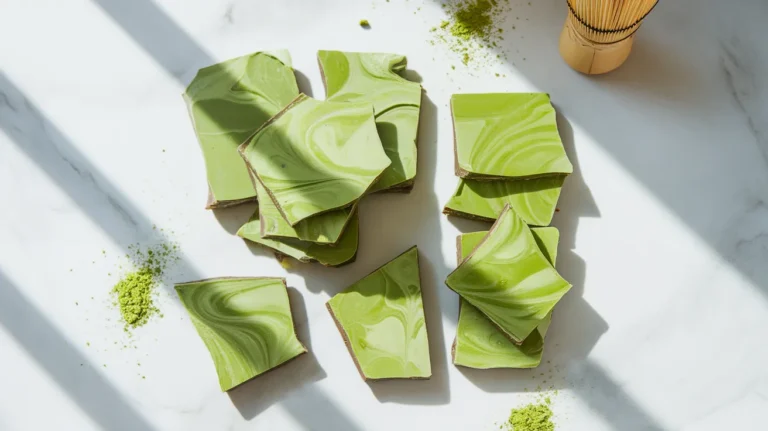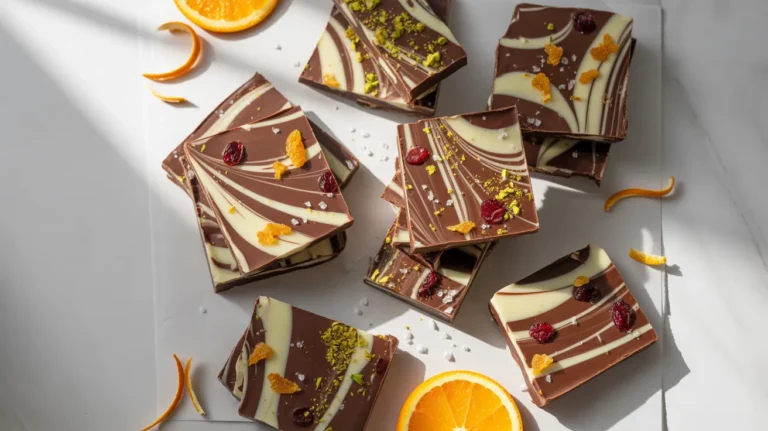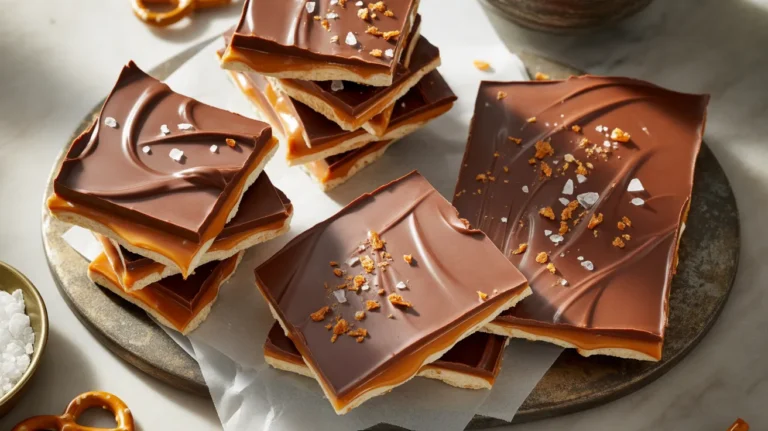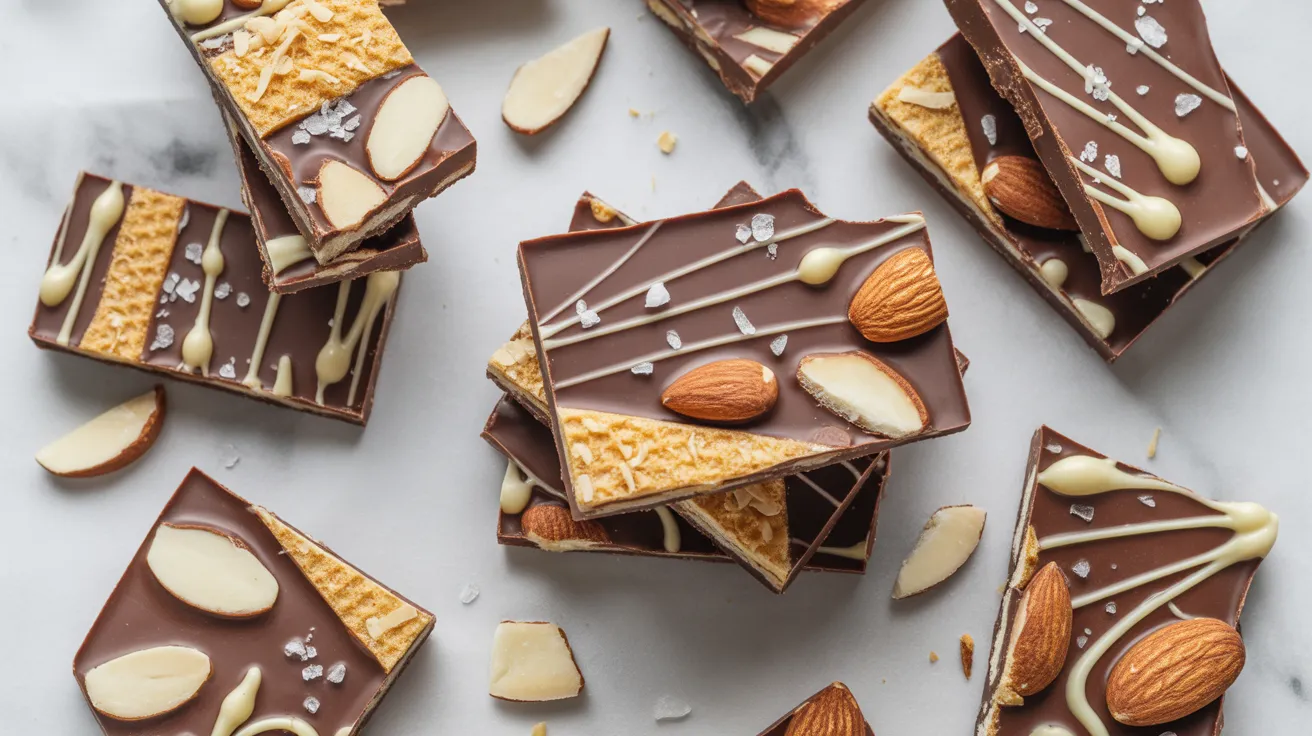
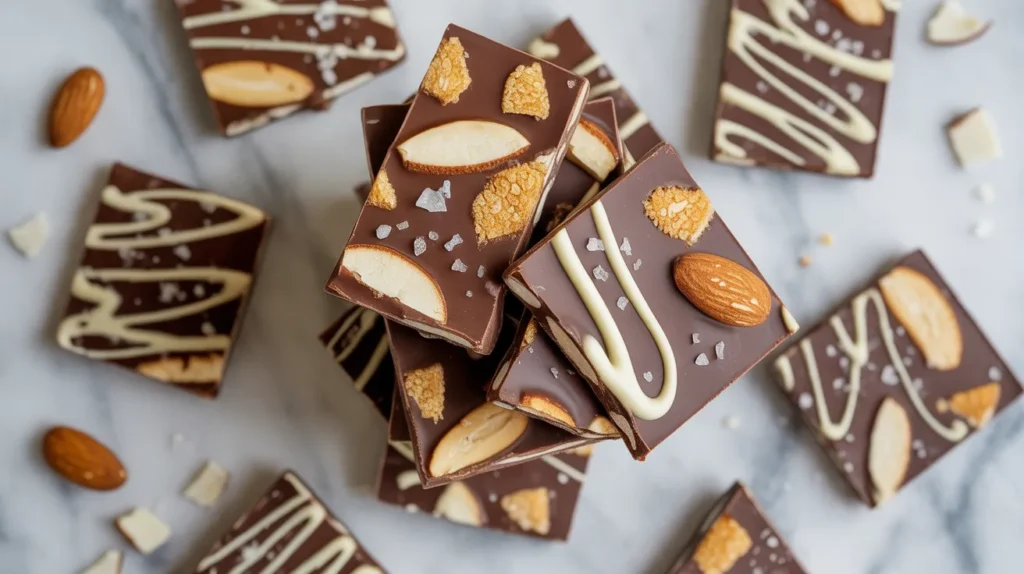
This coconut-almond cookie bark combines sweet coconut flakes, crunchy almonds, and buttery cookie pieces in smooth chocolate for an irresistible treat. Whether you’re making this coconut-almond cookie bark for holiday gifts or family snacking, this simple recipe delivers bakery-quality results every time.
SERVES: 4 | PREP: 15 MIN | COOK: 5 MIN | TOTAL: 20 MIN (plus 1 hour chilling)
Ingredients
Chocolate Base
| Ingredient | Amount |
|---|---|
| Semi-sweet chocolate chips | 2 cups |
| Coconut oil | 1 tablespoon |
Toppings
| Ingredient | Amount |
|---|---|
| Sweetened shredded coconut | 1 cup |
| Sliced almonds | ¾ cup |
| Vanilla wafer cookies, crushed | 1 cup |
| White chocolate chips | ½ cup |
| Sea salt flakes | ¼ teaspoon |
Step-by-Step Instructions
Phase 1: Preparing Your Workspace (5 minutes)
Step 1: Line a 9×13-inch baking sheet with parchment paper, making sure the paper extends over the edges by about 2 inches. This overhang becomes your handle for lifting the finished bark out cleanly. Smooth out any wrinkles with your palm.
Step 2: Toast the sliced almonds in a dry skillet over medium heat for 3-4 minutes, shaking the pan every 30 seconds. You’ll know they’re ready when they turn golden brown and smell nutty. Remove from heat immediately to prevent burning.
Step 3: Toast the shredded coconut in the same skillet for 2-3 minutes until it turns light golden. Watch it closely because coconut burns quickly. The edges should be toasted but the center pieces can stay white.
Step 4: Crush the vanilla wafer cookies by placing them in a sealed plastic bag and rolling over them with a rolling pin. Aim for pieces ranging from fine crumbs to pea-sized chunks. This variety creates interesting texture.
Phase 2: Melting the Chocolate (5 minutes)
Step 5: Combine 2 cups semi-sweet chocolate chips and 1 tablespoon coconut oil in a microwave-safe bowl. The coconut oil helps create a smooth, glossy finish that sets with a satisfying snap.
Step 6: Microwave in 30-second intervals, stirring between each burst. Most chocolate needs 90 seconds to 2 minutes total. Stop when small unmelted pieces remain, then stir until completely smooth. The residual heat finishes the melting.
Step 7: Pour the melted chocolate onto your prepared baking sheet. Use an offset spatula or the back of a spoon to spread it into an even layer about ¼-inch thick. Work quickly because the chocolate starts setting within 2 minutes.
Phase 3: Adding Toppings (5 minutes)
Step 8: Immediately sprinkle the toasted coconut evenly across the chocolate surface. Press it gently into the chocolate with your fingertips so it sticks. Don’t wait or the chocolate will start hardening.
Step 9: Scatter the toasted almonds over the coconut layer, distributing them evenly. Press these down too. The warmth of the chocolate should still be enough to secure them.
Step 10: Add the crushed cookie pieces next, focusing on the larger chunks first. These add the signature crunch that makes this coconut-almond cookie bark special. Press everything down one more time.
Step 11: Melt the white chocolate chips in the microwave using the same method as before—30-second bursts, stirring between. This should take about 60-90 seconds total.
Step 12: Drizzle the melted white chocolate over the bark in zigzag patterns using a spoon or transfer it to a small plastic bag with the corner snipped off. This creates beautiful contrast against the dark chocolate.
Step 13: Sprinkle the sea salt flakes over the top while the white chocolate is still wet. The salt enhances all the flavors and adds sophistication.
Phase 4: Setting and Breaking (1 hour)
Step 14: Refrigerate the bark for 60 minutes until completely firm. You can tell it’s ready when the chocolate doesn’t leave fingerprints when touched lightly.
Step 15: Lift the bark out using the parchment paper overhang. Place it on a cutting board and peel away the paper from the bottom.
Step 16: Break the bark into irregular pieces by hand for a rustic look, or cut it with a sharp knife for cleaner edges. I prefer hand-breaking because it looks more artisanal.
Chef’s Notes
Chocolate Quality Matters: Use good-quality chocolate chips for the best flavor and texture. The chocolate is the foundation of your coconut-almond cookie bark, so cheap chocolate produces mediocre results.
Temperature Control: If your kitchen is warm (above 72°F), the chocolate won’t set properly. Refrigeration becomes essential rather than optional.
Cookie Options: Vanilla wafers provide neutral sweetness, but shortbread cookies or graham crackers work beautifully too. Each brings a different flavor dimension.
Fresh Nuts: Stale almonds ruin the texture. Taste your almonds before using them. They should be crisp and sweet, never soft or bitter.
Nutrition Information (Per Serving)
- Calories: 485
- Protein: 7g
- Carbohydrates: 52g
- Fat: 30g
- Fiber: 5g
- Sugar: 40g
- Sodium: 125mg
Variations to Try
Tropical Paradise Bark: Replace vanilla wafers with macadamia nut cookies and add dried pineapple chunks. The tropical combination pairs perfectly with coconut. This variation works wonderfully when you’re craving something beachy.
Chocolate Lover’s Dream: Make this using the techniques from my white chocolate bark recipe but layer dark and white chocolate together. The contrast creates stunning visual appeal and complex flavor.
Citrus Twist: Add orange zest to the melted chocolate and use the flavor inspiration from my chocolate orange bark for a bright, refreshing version. The citrus cuts through the richness beautifully.
Peppermint Holiday Edition: Crush candy canes and mix them with the coconut. Replace vanilla wafers with chocolate sandwich cookies. This becomes the perfect Christmas treat.
Storage & Reheating
Store your coconut-almond cookie bark in an airtight container with parchment paper between layers. It keeps at room temperature for 5 days if your kitchen stays below 70°F.
Refrigerated bark lasts 2 weeks and maintains better texture. Let it sit at room temperature for 5 minutes before serving so the chocolate isn’t rock-hard.
For longer storage, freeze the bark for 3 months in a freezer-safe container. Thaw it in the refrigerator overnight, then bring to room temperature. The texture stays perfect.
Never microwave bark to soften it. The toppings get soggy and the chocolate loses its snap. Patience yields better results.
Troubleshooting Common Problems
Problem: Chocolate won’t melt smoothly and looks grainy
You’ve burned the chocolate or gotten water in it. Start over with fresh chocolate and make sure your bowl is completely dry. Use lower power settings in the microwave.
Problem: Toppings fall off when I break the bark
You didn’t press them into the chocolate while it was still warm. Next time, work faster and press firmly. You can also try scoring lines before it sets completely.
Problem: White chocolate seized up and turned lumpy
White chocolate is temperamental. You likely overheated it. It needs gentler treatment than dark chocolate. Use 15-20 second microwave bursts instead of 30 seconds.
Problem: Bark is too thick and hard to bite through
Your chocolate layer was too thick. Aim for ¼-inch maximum. Spread it thinner next time. Thick bark looks impressive but becomes jaw-breaking.
Problem: Coconut or almonds taste stale or bland
Toasting is essential for developing flavor. Don’t skip this step. Untoasted nuts and coconut taste flat and chewy rather than crispy and flavorful.
Equipment Essentials
- 9×13-inch baking sheet – Standard rimmed sheet works perfectly
- Parchment paper – Non-stick surface prevents sticking
- Microwave-safe bowls (2) – One for dark, one for white chocolate
- Offset spatula – Spreads chocolate evenly
- Medium skillet – For toasting nuts and coconut
- Rolling pin – Crushes cookies to perfect consistency
- Plastic storage bags – For crushing cookies mess-free
Shopping List
Baking Aisle
- Semi-sweet chocolate chips (2 cups)
- White chocolate chips (½ cup)
- Vanilla wafer cookies (1 box)
Nuts & Dried Fruit
- Sliced almonds (¾ cup)
- Sweetened shredded coconut (1 cup)
Oils & Condiments
- Coconut oil (1 tablespoon)
- Sea salt flakes (¼ teaspoon)
Success Secrets
1. Work quickly once chocolate is melted. You have about 2 minutes before it starts setting. Have all toppings measured and ready before you melt the chocolate.
2. Press toppings firmly into warm chocolate. Gentle sprinkling looks pretty but creates toppings that fall off. Use your whole palm to press everything down.
3. Toast nuts and coconut separately. They require different toasting times. Coconut burns faster than almonds. Trying to toast them together guarantees uneven results.
4. Use fresh ingredients only. Stale cookies, rancid nuts, or old chocolate chips create disappointing bark. Taste everything before adding it to your recipe.
5. Let bark come to room temperature before serving. Cold bark from the fridge is too hard. Waiting 10-15 minutes brings out the best texture and flavor.