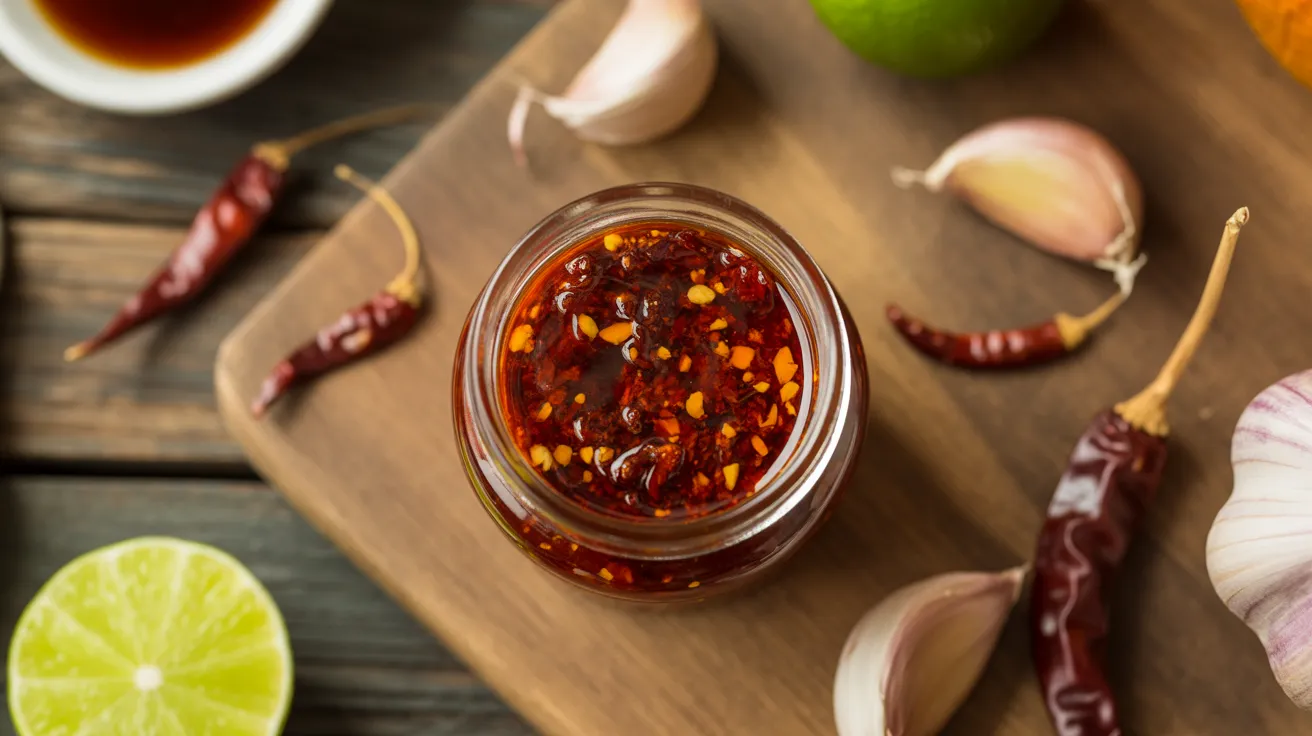
This homemade Thai garlic chili sauce for stir fry recipe is the secret weapon your weeknight dinners have been missing. Bold, garlicky, and just the right amount of spicy, this sauce takes any stir fry from bland to brilliant in under 15 minutes. Once you taste this homemade Thai garlic chili sauce for stir fry recipe, you’ll never reach for a store-bought bottle again.
SERVES: 4 | PREP: 10 MIN | COOK: 8 MIN | TOTAL: 18 MIN
Why You’ll Love This Recipe
This sauce is magic in a pan.
It’s bold, punchy, and packed with real garlic flavor. It clings to vegetables, meat, and noodles like a dream.
Best of all, you make it with simple ingredients you can find at almost any grocery store.
Ingredients
The Sauce Base
| Ingredient | Amount |
|---|---|
| Dried red chilies (whole) | 6–8 pieces |
| Fresh garlic cloves, minced | 8 cloves (about 3 tablespoons) |
| Shallots, finely chopped | 3 medium shallots |
| Neutral oil (vegetable or canola) | 3 tablespoons |
The Flavor Builders
| Ingredient | Amount |
|---|---|
| Fish sauce | 2 tablespoons |
| Oyster sauce | 2 tablespoons |
| Low-sodium soy sauce | 1 tablespoon |
| Palm sugar or brown sugar | 1 tablespoon |
| Fresh lime juice | 1 tablespoon |
| Water | 3 tablespoons |
| Cornstarch | 1 teaspoon |
Optional Heat Boosters
| Ingredient | Amount |
|---|---|
| Fresh Thai bird’s eye chilies, sliced | 2–3 chilies |
| White pepper | ¼ teaspoon |
Step-by-Step Instructions
Phase 1: Prepare Your Ingredients (5 Minutes)
Step 1 — Soak the Dried Chilies
Place your 6–8 dried red chilies in a small bowl and cover them with hot (not boiling) water.
Let them soak for 5 minutes until they soften. This step is important because soft chilies blend into the sauce better and give a deeper, smokier flavor than dry chilies straight from the bag.
Drain the water and roughly chop the chilies. Remove the seeds if you want less heat. Leave them in if you like it spicy.
Step 2 — Mince the Garlic
Peel and mince your 8 garlic cloves as finely as you can.
Tiny pieces mean the garlic cooks evenly and mixes into the sauce better. A garlic press works great here. If you don’t have one, use the flat side of a knife to crush the cloves first — it makes peeling and chopping much easier.
Step 3 — Chop the Shallots
Dice your 3 shallots into small, even pieces.
Shallots are milder and sweeter than regular onions. They give the sauce a gentle depth without overpowering the garlic. Aim for pieces about the size of a pea.
Step 4 — Mix the Sauce
In a small bowl, combine the fish sauce, oyster sauce, soy sauce, sugar, lime juice, and water.
Stir until the sugar fully dissolves. This is your sauce mixture. Having it ready before you start cooking means you won’t scramble at the stove. This trick is called “mise en place” — it’s how professional chefs keep things calm in the kitchen.
Step 5 — Make the Cornstarch Slurry
In a separate tiny bowl, mix 1 teaspoon of cornstarch with 1 tablespoon of cold water.
Stir until smooth. This slurry will thicken the sauce at the end so it coats everything beautifully. Always mix cornstarch with cold water first — never add dry cornstarch directly to a hot pan or it will clump.
Phase 2: Build the Sauce (8 Minutes)
Step 6 — Heat the Pan
Place a small saucepan or wok over medium heat.
Add your 3 tablespoons of neutral oil. Let the oil heat for about 60 seconds. To test if it’s ready, drop in one tiny piece of garlic. If it sizzles right away, you’re good to go.
Safety tip: Never leave a hot pan unattended. Keep a lid nearby in case the oil gets too hot.
Step 7 — Fry the Shallots
Add your chopped shallots to the hot oil.
Cook for 2–3 minutes, stirring often. You want them to turn lightly golden and smell sweet. Don’t rush this step. Soft, golden shallots are the flavor foundation of your sauce. If they start browning too fast, turn the heat down a little.
Step 8 — Add the Garlic
Add your minced garlic to the pan with the shallots.
Stir constantly for 1–2 minutes. Watch it carefully — garlic burns fast, and burnt garlic turns bitter and ruins the whole batch. You want the garlic to turn pale gold, not brown.
Step 9 — Add the Soaked Chilies
Add your chopped soaked chilies (and fresh bird’s eye chilies if using) to the pan.
Stir everything together and cook for another 1 minute. The oil will turn a beautiful reddish-orange color. That’s the chili oils releasing into the sauce — it’s a good sign.
Step 10 — Pour in the Sauce Mixture
Pour your prepared sauce bowl into the pan.
Stir everything together quickly. The liquid will sizzle and steam — that’s normal. Turn the heat down to medium-low. Let the sauce simmer gently for 2 minutes so all the flavors can combine.
Step 11 — Thicken the Sauce
Give your cornstarch slurry a quick stir (it settles fast), then pour it into the simmering sauce.
Stir constantly for about 30–60 seconds. The sauce will thicken and turn glossy right in front of you. Once it coats the back of a spoon, it’s ready. If it gets too thick, add another tablespoon of water and stir.
Step 12 — Taste and Adjust
Turn off the heat and taste the sauce carefully.
Does it need more fish sauce? Add a small splash for saltiness. Too spicy? Add a tiny pinch more sugar to balance the heat. Not enough depth? A few more drops of oyster sauce does the trick. This is your sauce — make it taste exactly how you like it.
Step 13 — Add the Lime Juice (Final Touch)
Squeeze in a fresh splash of lime juice right before serving.
Adding lime at the end (instead of during cooking) keeps the bright, fresh citrus flavor alive. Heat destroys a lot of that tang, so always add fresh citrus last.
Phase 3: Use It in a Stir Fry
Step 14 — Heat Your Stir Fry Pan
Heat a wok or large skillet over high heat until it’s very hot.
Add 1 tablespoon of oil. High heat is the key to great stir fry — it creates that slightly smoky, restaurant-style flavor known as “wok hei.”
Step 15 — Cook Your Protein or Vegetables
Add your protein (chicken, beef, shrimp, tofu) or vegetables to the very hot pan.
Stir fry for 2–4 minutes depending on what you’re cooking. Don’t overcrowd the pan — cook in batches if needed. A crowded pan steams the food instead of frying it.
Step 16 — Add the Sauce
Pour 3–4 tablespoons of your homemade Thai garlic chili sauce over the stir fry.
Toss everything together for 30–60 seconds over high heat. The sauce will coat everything and caramelize slightly on the hot pan. That slightly sticky coating is exactly what you want.
Step 17 — Plate and Serve
Serve immediately over jasmine rice or noodles.
Garnish with fresh sliced chili, a few drops of extra lime juice, or sliced green onions if you like. This sauce tastes best hot, right out of the pan.
Chef’s Notes
1. Use Fresh Garlic Only Pre-minced jarred garlic won’t give you the same bold flavor. Fresh garlic is the heart of this homemade Thai garlic chili sauce for stir fry recipe — it’s worth the extra two minutes of chopping.
2. Palm Sugar Is Worth Finding Brown sugar works well, but palm sugar (found at most Asian grocery stores) gives a softer, more rounded sweetness that blends beautifully with fish sauce. If you cook Thai food often, it’s a great pantry addition.
3. Control Your Heat Level The dried chilies give warmth, the seeds give fire. Remove all seeds for a mild sauce, keep half for medium, and keep all seeds plus fresh bird’s eye chilies for serious heat.
4. Make a Double Batch This sauce keeps well in the fridge for up to 2 weeks. Making a double batch on the weekend means fast, flavorful dinners all week long.
Nutrition Information (Per Serving)
| Nutrient | Amount |
|---|---|
| Calories | 92 |
| Total Fat | 8g |
| Saturated Fat | 1g |
| Carbohydrates | 5g |
| Sugar | 3g |
| Protein | 1g |
| Sodium | 560mg |
| Fiber | 0.5g |
Nutrition values are estimates based on sauce portion only (approximately 2 tablespoons per serving), not including protein or vegetables cooked in the sauce.
4 Delicious Variations
1. Sweet and Sticky Version Double the sugar and reduce the fish sauce by half. Add 1 teaspoon of tamarind paste for a sweet-sour glaze. This version is incredible over grilled chicken thighs or pan-fried tofu.
2. Vegetarian / Vegan Version Swap the fish sauce for soy sauce and replace the oyster sauce with mushroom sauce (also called vegetarian oyster sauce — easy to find at Asian grocery stores). The depth of flavor stays impressive.
3. Extra Garlic Version Double the garlic to 16 cloves for a punchy, bold sauce that garlic lovers will obsess over. This version pairs amazingly with simple vegetable stir fries like bok choy or broccoli. If you enjoy building your Thai sauce collection, try this Thai chili garlic sauce spicy dipping sauce recipe for a thinner, dipping-style version of this flavor profile.
4. Ginger-Forward Version Add 1 tablespoon of fresh grated ginger at the same time as the garlic. Ginger adds warmth and a slight floral note that works beautifully with shrimp and fish dishes. You can also bookmark this full guide to homemade Thai garlic chili sauce for stir fry for a deep dive into this recipe with extra tips and photo steps.
Storage & Reheating
Refrigerator: Store cooled sauce in a clean glass jar or airtight container. It keeps for up to 2 weeks in the fridge. The flavors actually get better after a day as everything melds together.
Freezer: Pour the sauce into an ice cube tray and freeze. Pop the frozen cubes into a zip-lock bag. Each cube is roughly 1 tablespoon — easy to grab exactly how much you need. Frozen sauce keeps for up to 3 months.
Reheating: Warm the sauce gently in a small pan over low heat, stirring often. Add a splash of water if it’s too thick after refrigerating. Never microwave the sauce in a sealed jar — always transfer it to a microwave-safe bowl first.
Important Note: Always use a clean, dry spoon when scooping sauce from the jar. Wet spoons introduce moisture that shortens the shelf life.
Troubleshooting
Problem 1: My sauce tastes bitter. This almost always means the garlic burned. Burnt garlic cannot be saved — it’s better to start the garlic step over than try to rescue it. Keep the heat at medium and stir constantly once the garlic hits the pan. Pale gold is the goal, not brown.
Problem 2: My sauce is too thin. The cornstarch slurry didn’t get a chance to work. Turn the heat back to medium-low and add another small slurry (½ teaspoon cornstarch mixed with 1 teaspoon cold water). Stir for 30–60 seconds and it will thicken quickly.
Problem 3: My sauce is too thick and pasty. Add warm water, one tablespoon at a time, stirring between each addition. Stop when you hit the consistency you like. A slightly thinner sauce actually coats stir fry ingredients better than a very thick one.
Problem 4: The sauce is too salty. Balance it with a little more sugar and a bigger squeeze of lime juice. Both cut through saltiness without thinning the sauce too much. Next time, use low-sodium soy sauce and taste the fish sauce before adding the full amount — brands vary a lot in salt level.
Problem 5: The sauce isn’t spicy enough. Stir in ½ teaspoon of chili flakes or a small squeeze of sriracha at the end. You can also add extra fresh bird’s eye chilies during the garlic frying step next time. Fresh chilies always hit hotter than dried ones.
Equipment Essentials
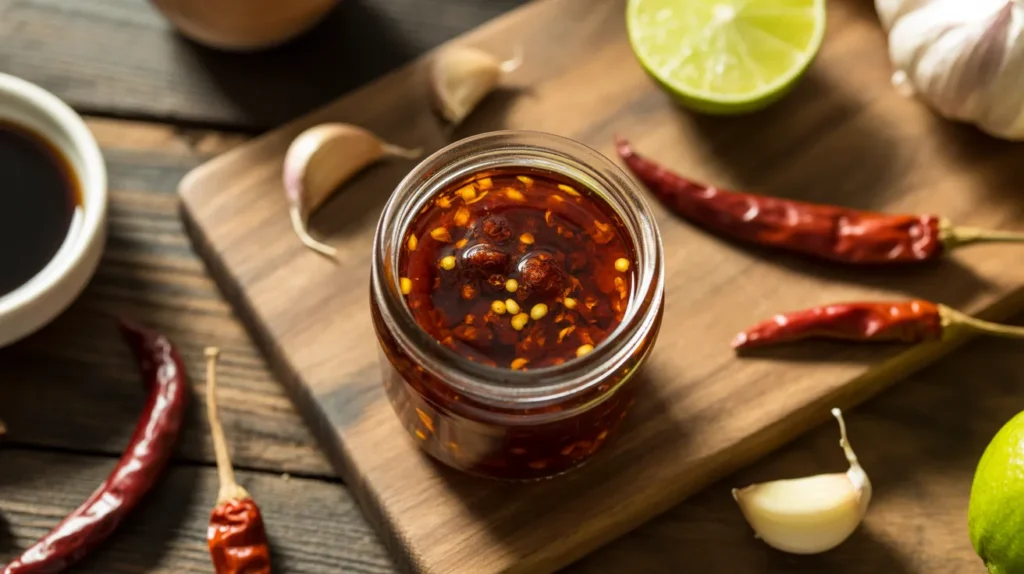
- Small saucepan or wok — A wok gives you more surface area and even heat
- Sharp chef’s knife — Essential for fast, even mincing
- Cutting board — Dedicated board for aromatics keeps flavors clean
- Garlic press (optional) — Speeds up prep significantly
- Small mixing bowls — For your sauce mixture and cornstarch slurry
- Wooden spoon or silicone spatula — For constant stirring without scratching your pan
- Glass jar with lid — For storing leftover sauce in the fridge
- Measuring spoons — Accuracy matters, especially with fish sauce
Shopping List
Produce Section
- Fresh garlic (1 full head)
- Shallots (3 medium)
- Fresh limes (1–2)
- Fresh Thai bird’s eye chilies (optional)
Asian Grocery Aisle / Asian Market
- Dried whole red chilies (small bag)
- Fish sauce (Tiparos or Megachef are great brands)
- Oyster sauce (Maekrua or Lee Kum Kee)
- Palm sugar (or brown sugar from the baking aisle)
Regular Grocery Aisle
- Low-sodium soy sauce
- Neutral cooking oil (vegetable or canola)
- Cornstarch
5 Success Secrets
1. Always prep everything before you turn on the heat. Once garlic hits hot oil, things move fast. Having your sauce bowl mixed and your cornstarch slurry ready means you’re in control the whole way through.
2. Taste as you go. Every brand of fish sauce and oyster sauce tastes slightly different. Your sauce is a living thing — taste it at the end and adjust before you call it done.
3. Don’t skip soaking the dried chilies. Dry chilies straight from the bag stay crunchy and don’t blend into the sauce properly. That 5-minute soak makes them soft, flavorful, and easy to chop.
4. Use high heat for the actual stir fry. The sauce is built over medium heat, but when you use it in a stir fry, crank the heat up high. High heat caramelizes the sauce slightly onto the food — that sticky, slightly charred coating is what makes stir fry taste like it came from a restaurant.
5. Make it your own. This homemade Thai garlic chili sauce for stir fry recipe is a great base, but it’s meant to be played with. More garlic, less heat, a splash of sesame oil at the end — small changes make it yours. The best version is the one that makes you want to stir fry everything in sight.
Made this recipe? Leave a comment below and let us know what you stir fried it with first.