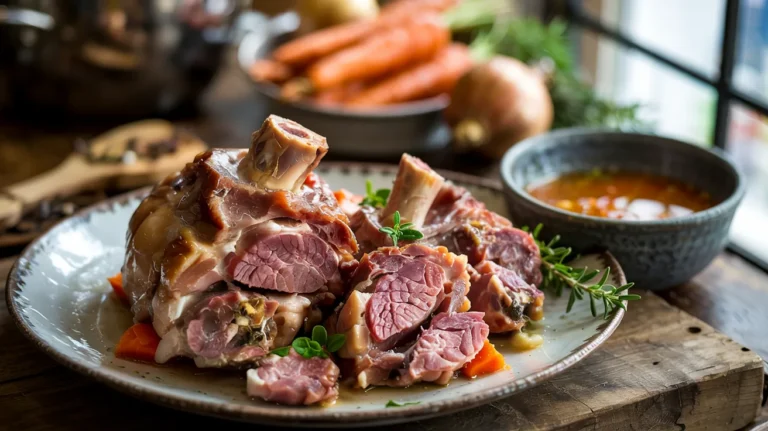
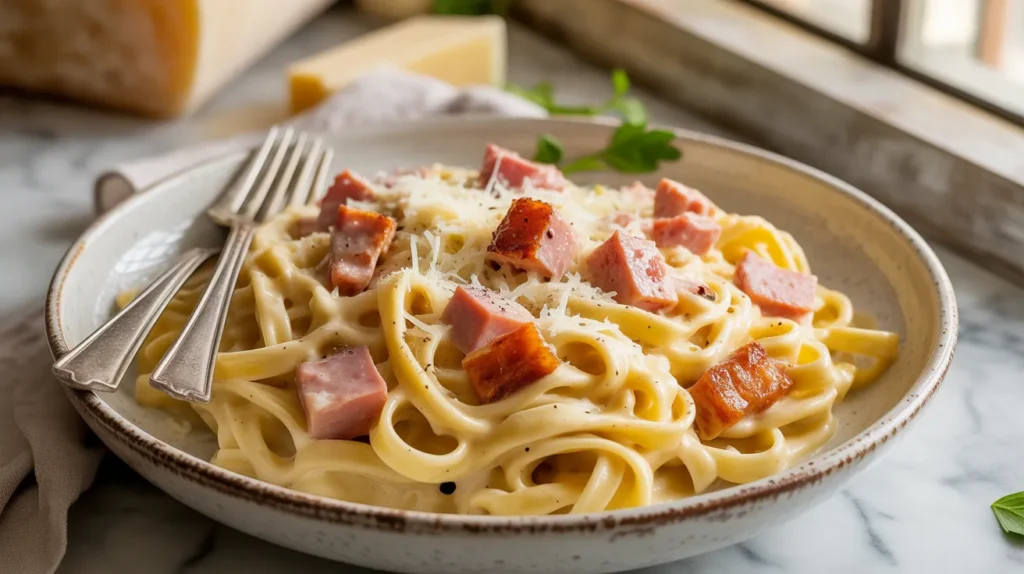
Leftover ham carbonara transforms your holiday ham into a silky, restaurant-quality pasta dish that comes together in just 30 minutes. This rich Italian classic gets a brilliant makeover with cubed ham instead of traditional pancetta, creating the same smoky depth while using what you already have in your fridge. I’ve perfected this leftover ham carbonara recipe over years of post-holiday cooking, and I’m excited to share every trick I’ve learned to help you nail that glossy, cream-coated pasta without scrambling the eggs.
SERVES: 4 | PREP: 10 MIN | COOK: 20 MIN | TOTAL: 30 MIN
Ingredients
For the Pasta Base
| Ingredient | Amount |
|---|---|
| Spaghetti or fettuccine | 1 pound |
| Leftover ham, diced into ½-inch cubes | 2 cups (about 12 oz) |
| Olive oil | 2 tablespoons |
| Garlic, minced | 4 cloves |
For the Carbonara Sauce
| Ingredient | Amount |
|---|---|
| Large eggs | 4 whole eggs |
| Parmesan cheese, freshly grated | 1½ cups |
| Heavy cream | ½ cup |
| Black pepper, freshly ground | 1 tablespoon |
| Salt | ½ teaspoon |
For Finishing
| Ingredient | Amount |
|---|---|
| Reserved pasta water | 1 cup |
| Fresh parsley, chopped | ¼ cup |
| Extra Parmesan for serving | As needed |
Step-by-Step Instructions
Phase 1: Preparation and Setup (5 minutes)
Step 1: Fill your largest pot with 4 quarts of water and add 2 tablespoons of salt.
Place it over high heat with the lid on. The lid traps heat and brings water to a boil about 30% faster. You want a rolling boil that looks aggressive when you add the pasta.
Step 2: While water heats, dice your leftover ham into uniform ½-inch cubes.
Uniform sizing matters because it helps the ham crisp evenly in the pan. I cut mine slightly smaller than store-bought bacon bits so they integrate better with the pasta strands.
Step 3: Mince your 4 garlic cloves finely and set aside separately from the ham.
Garlic burns quickly at high heat, so keeping it separate prevents you from accidentally adding it too early. Burned garlic tastes bitter and ruins the entire dish.
Step 4: Get out a large glass or metal mixing bowl for your egg mixture.
Avoid plastic bowls because they can retain oils that prevent the eggs from emulsifying properly with the cheese. A metal bowl also helps conduct heat when you add the hot pasta later.
Phase 2: Creating the Sauce Base (5 minutes)
Step 5: Crack 4 eggs into your mixing bowl and whisk vigorously for 30 seconds until completely uniform in color.
You shouldn’t see any streaks of white or dark yellow. This thorough whisking incorporates air and helps create a smoother final sauce texture.
Step 6: Add your 1½ cups freshly grated Parmesan to the eggs and whisk for another 45 seconds.
The mixture will become thick and paste-like. This is exactly what you want. Pre-grated cheese from a container contains anti-caking agents that prevent proper melting, so grate your own from a block.
Step 7: Pour in the ½ cup heavy cream and add 1 tablespoon freshly ground black pepper plus ½ teaspoon salt.
Whisk until the mixture loosens and becomes pourable, about like pancake batter. The cream adds insurance against scrambling and creates extra richness. Set this bowl near your stove where you can grab it quickly.
Step 8: Place a large measuring cup next to your stove for pasta water.
You’ll need to scoop out 1 cup of starchy pasta water before draining. This step trips up many beginners, so set yourself up for success by having the cup ready.
Phase 3: Cooking the Pasta and Ham (10 minutes)
Step 9: Once your water reaches a rolling boil, add the 1 pound of pasta and stir immediately.
Set a timer for 2 minutes less than the package directions. For most dried pasta, this means 8-9 minutes. You want it slightly firmer than al dente because it’ll finish cooking in the sauce.
Step 10: While pasta cooks, heat your largest skillet over medium-high heat for 2 minutes.
Test the temperature by flicking a drop of water into the pan. It should sizzle and evaporate immediately. A properly heated pan prevents the ham from steaming instead of crisping.
Step 11: Add 2 tablespoons olive oil to the hot skillet and swirl to coat the entire bottom.
Wait 30 seconds until the oil shimmers and moves easily across the surface. This visual cue tells you it’s hot enough to crisp the ham without smoking.
Step 12: Add your 2 cups diced ham in a single layer, spreading pieces apart.
Let it cook undisturbed for 3 minutes. Resist the urge to stir. This creates golden-brown, crispy edges that add incredible texture to your finished carbonara.
Step 13: Flip the ham pieces and cook for another 2 minutes until browned on multiple sides.
You’ll smell a toasted, slightly sweet aroma when the natural sugars in the ham caramelize. This browning creates depth that raw ham simply can’t provide.
Step 14: Reduce heat to medium-low and add your minced garlic.
Stir constantly for 45 seconds until fragrant but not brown. The garlic should smell sweet and mellow. If it starts turning golden, pull the pan off the heat immediately.
Phase 4: Combining and Finishing (5 minutes)
Step 15: When your timer goes off, scoop out 1 cup pasta water with your measuring cup, then drain the pasta.
Do not rinse the pasta. The starchy coating helps the sauce cling to every strand. Shake the colander a few times to remove excess water, but don’t worry about getting it bone-dry.
Step 16: Immediately transfer the hot drained pasta directly into the skillet with the ham and garlic.
Turn off the heat completely. This is critical. You’re using residual heat only from this point forward. Toss everything together for 30 seconds to distribute the ham evenly.
Step 17: Pour your egg-cheese mixture over the hot pasta and begin tossing vigorously with tongs.
Work quickly, lifting and turning the pasta continuously for 1-2 minutes. The heat from the pasta will cook the eggs gently while creating a creamy sauce. You should see it thicken and become glossy.
Step 18: Add ¼ cup of reserved pasta water and continue tossing.
The starchy water helps the sauce emulsify and reach the perfect creamy consistency. If the carbonara looks too thick or clumpy, add more pasta water 2 tablespoons at a time until it reaches a silky, coating consistency.
Step 19: Taste and adjust seasoning with additional salt and black pepper as needed.
Remember that ham is salty and Parmesan is salty, so you might need less salt than you think. The pepper should be pronounced and visible throughout the dish.
Step 20: Plate immediately, garnishing each serving with fresh parsley and extra grated Parmesan.
Carbonara waits for no one. The sauce can seize up and become clumpy if it sits. Serve within 2 minutes of finishing for the best texture.
Chef’s Notes
Timing is Everything: The secret to perfect leftover ham carbonara lies in temperature control. You want the pasta hot enough to cook the eggs into a silky sauce, but not so hot that you create scrambled eggs with pasta. Turning off the heat before adding the egg mixture gives you complete control.
Ham Selection Matters: Bone-in spiral ham works better than deli ham because it has more fat and flavor. The slightly sweet glaze from holiday ham adds a subtle complexity that complements the sharp Parmesan beautifully.
Cheese Quality: Invest in a wedge of real Parmigiano-Reggiano for this recipe. The difference between pre-grated and freshly grated cheese is like night and day. Fresh Parmesan melts smoothly and has a nutty, complex flavor that cheap alternatives can’t match.
Pasta Water Power: That starchy pasta water is liquid gold. It contains starches that help emulsify the sauce, creating a glossy coating that clings to every strand. Some nights I use almost the full cup, other times just a splash. Trust your eyes and the consistency you’re seeing.
Nutrition Information (Per Serving)
| Nutrient | Amount |
|---|---|
| Calories | 685 |
| Protein | 42g |
| Carbohydrates | 58g |
| Fat | 32g |
| Saturated Fat | 15g |
| Fiber | 2g |
| Sodium | 1,240mg |
| Cholesterol | 285mg |
Variations to Try
Lighter Carbonara: Replace the heavy cream with ½ cup whole milk and use only 2 whole eggs plus 2 egg whites. You’ll cut about 150 calories per serving while maintaining the creamy texture. The sauce won’t be quite as rich, but it’s still delicious.
Vegetable-Loaded Version: Add 2 cups fresh spinach and 1 cup frozen peas during the last minute of pasta cooking. The vegetables add color, nutrition, and freshness that balances the richness. This variation reminds me of the bright flavors in my leftover ham salad, which also celebrates ham with fresh ingredients.
Mushroom & Ham Carbonara: Sauté 8 ounces sliced mushrooms with the ham for an earthy depth. The mushrooms soak up the ham flavor while adding meaty texture. Use cremini or baby bellas for the best flavor.
Spicy Kick: Add ½ teaspoon red pepper flakes with the garlic and finish with 2 tablespoons chopped fresh basil. The heat cuts through the richness perfectly. If you love working with leftover ham in creative ways, try my leftover ham tetrazzini for another comforting pasta option.
Storage & Reheating
Refrigerator Storage: Transfer cooled carbonara to an airtight container within 2 hours of cooking. It keeps for 3 days in the fridge. The sauce will thicken and look separated when cold, which is completely normal.
Reheating Method: Place a single serving in a skillet over medium-low heat with 2-3 tablespoons milk or cream. Stir gently and continuously for 3-4 minutes until heated through. The added dairy helps reconstitute the sauce. Microwave reheating works in a pinch, but use 50% power and stir every 30 seconds to prevent the eggs from becoming rubbery.
Freezing Not Recommended: Carbonara doesn’t freeze well because the egg-based sauce separates when thawed. The texture becomes grainy and unappetizing. This is one recipe best enjoyed fresh or within a few days.
Make-Ahead Tips: You can prep the egg-cheese mixture and crisp the ham up to 4 hours ahead. Store both in the fridge separately, then bring the egg mixture to room temperature 30 minutes before cooking. Cook pasta fresh when ready to serve.
Troubleshooting Common Problems
Problem 1: Scrambled Eggs Instead of Creamy Sauce
This happens when the pasta or pan is too hot when you add the eggs. Always turn off the heat completely before adding the egg mixture. If you see any scrambling start, immediately add ¼ cup cold pasta water and stir vigorously. The cold water drops the temperature instantly.
Problem 2: Sauce Too Thick or Dry
You didn’t use enough pasta water or the pasta absorbed too much sauce while sitting. Add warm pasta water 1 tablespoon at a time while stirring over low heat until it loosens. The sauce should coat the pasta like a glaze, not sit in clumps.
Problem 3: Watery, Thin Sauce
You added too much pasta water or didn’t whisk the eggs enough initially. Let the carbonara sit for 2-3 minutes off heat. The eggs will continue cooking gently and the sauce will thicken. If still too thin, stir in 2 tablespoons additional grated Parmesan to help it tighten up.
Problem 4: Ham Tastes Tough or Chewy
Your ham dried out from cooking too long or at too high heat. Ham is already cooked, so you’re just crisping the edges, not cooking it through. Cook for no more than 5 minutes total over medium-high heat. If your ham is particularly lean, add an extra 1 tablespoon butter with the olive oil.
Problem 5: Garlic Tastes Bitter
The garlic burned because the pan was too hot or you cooked it too long. Garlic needs only 30-45 seconds in hot oil. If it starts turning brown, it’s already burning. Start over with fresh garlic if this happens, otherwise the bitter flavor spreads throughout the dish.
Equipment Essentials
Large Pasta Pot (6-8 quarts): You need plenty of water for pasta to move freely while cooking. Cramped pasta sticks together and cooks unevenly.
12-Inch Skillet: A wide surface area lets you brown the ham in a single layer. Crowding causes steaming instead of crisping. Cast iron or stainless steel works best.
Box Grater or Microplane: For freshly grating Parmesan. A microplane creates finer shreds that melt faster and more smoothly.
Long-Handled Tongs: Essential for tossing pasta with the sauce. They give you control without breaking the pasta strands.
Large Mixing Bowl (Metal or Glass): For preparing the egg mixture. Needs to be big enough to comfortably whisk without splashing.
Measuring Cup (Heatproof): For scooping pasta water before draining. Pyrex measuring cups work perfectly.
Colander: For draining pasta quickly. A colander with a base stands upright in the sink, freeing your hands.
Chef’s Knife: For dicing ham into uniform pieces. A sharp knife makes this task quick and safe.
Shopping List by Store Section
Refrigerated Section
- Heavy cream (½ cup needed)
- Large eggs (4 needed)
- Parmesan cheese wedge (about 6 ounces for 1½ cups grated)
- Leftover ham (12 ounces needed, or 2 cups diced)
Pasta Aisle
- Spaghetti or fettuccine (1 pound box)
Produce Section
- Fresh garlic (1 head, need 4 cloves)
- Fresh parsley (1 bunch)
Baking/Spices Aisle
- Black peppercorns (if buying whole for grinding)
- Kosher salt
Oils/Condiments
- Extra virgin olive oil (2 tablespoons needed)
Success Secrets
1. Room Temperature Eggs Mix Easier
Take your eggs out of the fridge 20 minutes before cooking. Room temperature eggs whisk more smoothly with the cheese and create a silkier sauce. Cold eggs can create small lumps that never fully incorporate.
2. Save Extra Pasta Water
Always reserve more pasta water than you think you’ll need. I keep 1½ cups handy. It’s your safety net for adjusting consistency. You can’t add it after draining if you didn’t save enough.
3. Grate Cheese Fresh Every Time
Pre-grated Parmesan contains cellulose (wood pulp) to prevent clumping. This same coating prevents the cheese from melting smoothly into your sauce. Spend 3 minutes grating fresh cheese for dramatically better results.
4. Work Fast After Draining
The pasta continues to cool every second after draining. Speed is your friend here. Have everything within arm’s reach so you can work smoothly from draining to plating in under 3 minutes.
5. Practice the Toss
Use tongs to lift and turn the pasta continuously when adding the egg mixture. This constant motion distributes heat evenly and prevents hot spots that could scramble the eggs. Think of it like folding whipped cream, not stirring soup. The lifting motion is gentler and creates better texture.
This leftover ham carbonara proves that the best meals often come from using what you have on hand creatively. The smoky ham brings incredible depth, the eggs create restaurant-level creaminess, and the whole thing comes together faster than ordering takeout. Make this once and it’ll become your go-to solution every time you have ham in the fridge.