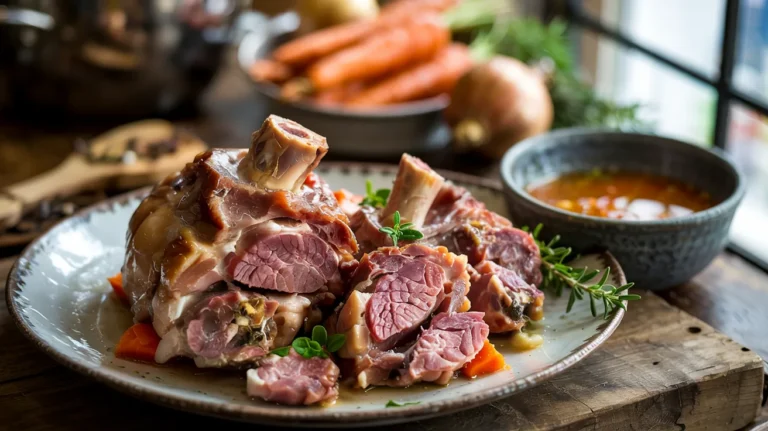
Looking for a way to breathe new life into yesterday’s ham? This leftover ham hash turns your holiday extras into a crispy, golden breakfast that’ll have everyone asking for seconds. With tender potatoes, caramelized onions, and chunks of savory ham, this leftover ham hash delivers serious flavor without the fuss.
SERVES: 4 | PREP: 15 MIN | COOK: 25 MIN | TOTAL: 40 MIN
Why This Leftover Ham Hash Works
Nobody wants to eat the same ham dinner three nights in a row. This recipe solves that problem by completely transforming your leftovers into something that feels brand new.
The secret is getting those potatoes perfectly crispy on the outside while keeping them tender inside. We’re talking restaurant-quality hash that rivals your favorite brunch spot.
Plus, everything cooks in one skillet. Less cleanup means more time enjoying your meal.
Ingredients
Main Components
| Ingredient | Amount |
|---|---|
| Leftover cooked ham, diced | 3 cups |
| Russet potatoes, peeled and diced | 4 medium (about 4 cups) |
| Yellow onion, diced | 1 large |
| Red bell pepper, diced | 1 medium |
| Garlic cloves, minced | 3 |
| Vegetable oil | 3 tablespoons |
| Butter | 2 tablespoons |
Seasonings & Finishing
| Ingredient | Amount |
|---|---|
| Paprika | 1 teaspoon |
| Black pepper | ½ teaspoon |
| Dried thyme | ½ teaspoon |
| Salt | ½ teaspoon (adjust to taste) |
| Fresh parsley, chopped | ¼ cup |
| Green onions, sliced | 3 |
| Eggs (optional for topping) | 4 |
Step-by-Step Instructions
Phase 1: Potato Preparation (10 minutes)
Step 1: Fill a large pot with 6 cups of cold water and add 1 tablespoon of salt. Place your diced potatoes in the water.
This prevents the potatoes from turning brown while you prep everything else. The salt water also begins seasoning them from the inside out.
Step 2: Bring the water to a boil over high heat, then reduce to medium and simmer for 5 minutes exactly.
You’re not cooking them through—just giving them a head start. They should still have a firm bite when you poke them with a fork.
Step 3: Drain the potatoes in a colander and spread them on a clean kitchen towel to dry completely.
Wet potatoes steam instead of crisp. Pat them dry if you’re in a hurry. The drier they are, the crispier your hash will be.
Phase 2: Building the Base (8 minutes)
Step 4: Heat 2 tablespoons of vegetable oil in a large cast-iron skillet or heavy-bottomed pan over medium-high heat until it shimmers.
The oil should move easily across the pan when you tilt it. If it starts smoking, your heat is too high.
Step 5: Add your dried potatoes in a single layer, spreading them evenly across the pan. Don’t stir for 4 minutes.
This is the hardest part—resist the urge to move them around. That undisturbed time creates the golden crust you’re after.
Step 6: After 4 minutes, flip the potatoes using a wide spatula and let them cook undisturbed for another 3 minutes.
You should see golden-brown spots on the flipped side. If they’re still pale, give them another minute before moving on.
Step 7: Transfer the potatoes to a plate and set aside. Add the remaining 1 tablespoon of oil to the pan.
Don’t wipe out the browned bits stuck to the bottom—those are pure flavor that’ll season the rest of your hash.
Phase 3: Vegetables & Ham (10 minutes)
Step 8: Add the diced onion to the hot pan and cook for 3 minutes, stirring occasionally, until it starts to soften and turn translucent.
You’ll smell the onions sweetening as they cook. Scrape up those browned bits from the potatoes while you stir.
Step 9: Toss in the diced bell pepper and minced garlic. Cook for 2 minutes, stirring frequently to prevent the garlic from burning.
Garlic burns fast at this heat level. If you see it turning brown instead of golden, reduce your heat to medium.
Step 10: Add your diced ham to the pan along with the paprika, black pepper, thyme, and salt. Stir everything together and cook for 3 minutes.
The ham edges should start to caramelize slightly. You’re reheating it and building those crispy edges that make hash irresistible.
Step 11: Return the cooked potatoes to the pan and add 2 tablespoons of butter cut into small pieces.
Distribute the butter around the pan so it melts evenly. This adds richness and helps everything bind together.
Phase 4: Final Crisping (7 minutes)
Step 12: Press the hash mixture down firmly with your spatula to create an even layer. Cook undisturbed for 4 minutes.
You’re creating a crispy bottom crust on the entire hash. The more you resist stirring, the better your crust will be.
Step 13: Using your spatula, break the hash into large chunks and flip them over. Press down again and cook for another 3 minutes.
You want crispy sections throughout, not mush. Think of it like breaking up a giant potato pancake into pieces.
Step 14: Turn off the heat and stir in the fresh parsley and sliced green onions.
The residual heat wilts the herbs just enough while keeping their fresh flavor bright.
Step 15 (Optional): If serving with eggs, create 4 wells in the hash and crack an egg into each. Cover the skillet and let sit on the warm burner for 3-5 minutes until eggs reach your desired doneness.
The trapped heat cooks the eggs without turning the burner back on. For runny yolks, check at 3 minutes. For set yolks, wait the full 5 minutes.
Chef’s Notes
Temperature Control Is Everything: Your pan needs to be hot enough to crisp the potatoes but not so hot that the garlic burns. Medium-high works for most stoves, but every range is different. Watch the garlic closely—if it browns too fast, reduce your heat.
Ham Quality Matters: Honey-glazed or maple-glazed ham brings extra sweetness to this leftover ham hash that balances the savory elements beautifully. Smoked ham adds a deeper, richer flavor. Avoid deli ham—it’s too thin and salty for this application.
The One-Pan Trick: Using the same pan for every step builds layers of flavor. Those browned bits that stick to the bottom (called fond) contain concentrated flavor that seasons each ingredient as you add it.
Make It Your Own: This recipe works as a template. Throw in whatever vegetables you have—mushrooms, zucchini, or leftover roasted Brussels sprouts all work great. Just keep the total vegetable volume similar so the ratios stay balanced.
Nutrition Information (Per Serving)
- Calories: 385
- Protein: 24g
- Carbohydrates: 38g
- Fat: 16g
- Fiber: 4g
- Sodium: 920mg
Nutrition information excludes optional eggs. Add approximately 70 calories and 6g protein per egg if included.
Creative Variations
Southwestern Ham Hash
Add 1 diced jalapeño, 1 teaspoon cumin, and ½ cup black beans with the ham. Top with shredded pepper jack cheese and serve with salsa. For another ham breakfast transformation, try this leftover ham frittata that works equally well for brunch or dinner.
Cheesy Ham & Potato Hash
Stir in 1 cup shredded cheddar cheese during the last minute of cooking. Let it melt into the crispy potatoes for an extra-indulgent version. The cheese creates pockets of gooey richness between the crispy bits.
Sweet Potato Hash
Replace regular potatoes with 4 medium sweet potatoes. Add ½ teaspoon cinnamon and ¼ teaspoon cayenne for a sweet-spicy version. Sweet potatoes crisp differently but deliver amazing flavor.
Loaded Breakfast Hash
Top each serving with sour cream, shredded cheese, crispy bacon bits, and fresh chives. This turns your hash into a loaded baked potato situation that’s absolutely craveable. If you’re looking for more creative ways to use leftover ham, this leftover ham mac and cheese has become a family favorite in my house.
Storage & Reheating
Refrigerator Storage: Store cooled hash in an airtight container for up to 4 days. The potatoes lose some crispness but still taste great.
Freezing: Freeze in portions in freezer bags for up to 2 months. Press out all the air before sealing to prevent freezer burn.
Reheating for Crispness: Skip the microwave if you want crispy hash. Heat 1 tablespoon of oil in a skillet over medium-high heat and reheat the hash for 5-7 minutes, pressing it down to re-crisp the bottom.
Microwave Option: For quick reheating when texture isn’t critical, microwave in 1-minute intervals, stirring between each, until heated through. Add a splash of water if it seems dry.
Make-Ahead Strategy: Prep the potatoes and vegetables the night before. Store them separately in the fridge, then start cooking at step 4 for an even faster breakfast.
Troubleshooting Guide
Problem: Soggy Potatoes Instead of Crispy Hash
Solution: You either crowded the pan or didn’t dry the potatoes enough. Use a wider pan or work in batches. Always pat potatoes completely dry after parboiling. And remember—don’t stir constantly. Let them sit to develop that crust.
Problem: Ham Is Dry and Chewy
Solution: Leftover ham can dry out during reheating. Add it later in the process and cook it less. You’re just warming it through and crisping the edges, not cooking it from raw. If your ham is already dry, toss it with 1 tablespoon of melted butter before adding.
Problem: Hash Is Too Salty
Solution: Ham brings a lot of salt to the party. Start with just ¼ teaspoon of added salt and taste before adding more. If you’ve already over-salted, add a peeled, quartered potato to the pan for 5 minutes to absorb excess salt, then remove it.
Problem: Vegetables Are Mushy While Potatoes Are Undercooked
Solution: Your potato pieces were too large. Cut them smaller (about ½-inch cubes) so they cook at the same rate as the vegetables. The parboiling step should also be adjusted—boil for 6-7 minutes if your cubes are larger.
Problem: Everything Sticks to the Pan
Solution: Your pan wasn’t hot enough before adding ingredients, or you didn’t use enough oil. Heat the oil until it shimmers before adding anything. Cast iron and stainless steel work best for hash. If using non-stick, don’t heat it empty—add oil first.
Equipment Essentials

- Large Cast-Iron Skillet or Heavy-Bottomed Pan (12-inch): Essential for even heat distribution and achieving that crispy crust
- Large Pot: For parboiling potatoes
- Colander: For draining potatoes
- Sharp Chef’s Knife: Makes dicing potatoes and vegetables faster and safer
- Cutting Board: Preferably large enough to prep all ingredients
- Wide Metal Spatula: For flipping hash without breaking it apart
- Kitchen Towel: For drying parboiled potatoes thoroughly
- Mixing Bowls: For organizing prepped ingredients
Shopping List
Produce Section
- Russet potatoes (4 medium)
- Yellow onion (1 large)
- Red bell pepper (1 medium)
- Garlic (3 cloves or 1 bulb)
- Fresh parsley (1 bunch)
- Green onions (1 bunch)
Meat Department
- Leftover cooked ham (3 cups diced or about 1 pound)
Dairy Section
- Butter (2 tablespoons)
- Eggs (4, if topping hash)
Pantry/Spice Aisle
- Vegetable oil
- Paprika
- Black pepper
- Dried thyme
- Salt
Success Secrets
1. Parboil Those Potatoes: Never skip this step. Raw potatoes take forever to cook through in a skillet and usually burn before the insides are tender. The 5-minute parboil gives you perfectly cooked potatoes that crisp beautifully.
2. Temperature Patience Pays Off: Start with medium-high heat for the potatoes, but don’t be afraid to adjust. Every stove is different. If things are browning too fast, reduce to medium. If nothing’s crisping after several minutes, increase the heat slightly.
3. One Large Pan Beats Two Small Ones: Crowding causes steaming instead of crisping. If your skillet seems packed, use a larger one or cook in two batches. The extra effort delivers vastly better results.
4. Save Your Ham Drippings: If you roasted your ham and saved the drippings, use 2 tablespoons instead of some of the vegetable oil. This adds incredible depth of flavor that plain oil can’t match.
5. Season in Layers: We add salt to the boiling water, season the vegetables separately, and finish with fresh herbs. This builds complex flavor instead of relying on one big salt dump at the end. Taste as you go and adjust seasoning between steps.
This leftover ham hash proves that leftovers don’t have to be boring. With crispy potatoes, caramelized vegetables, and perfectly seasoned ham, it’s the kind of breakfast that makes you actually excited to wake up early.
The best part? Once you nail this basic technique, you can customize it endlessly based on what’s in your fridge. Different vegetables, various cheeses, hot sauce, herbs—it all works.
Get that skillet hot and give your leftover ham the crispy, golden transformation it deserves.