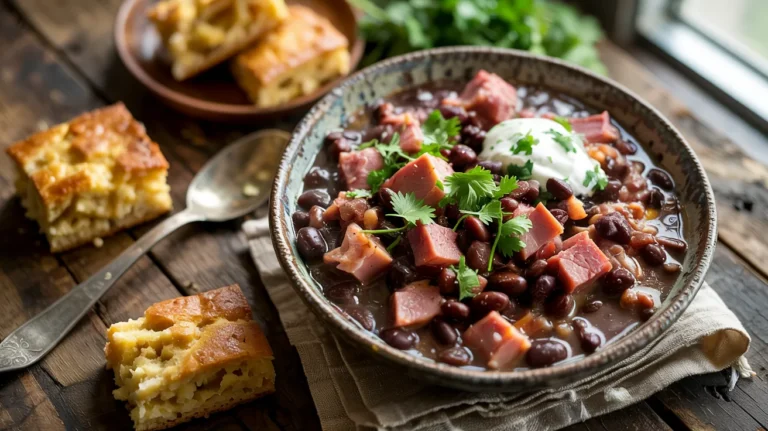
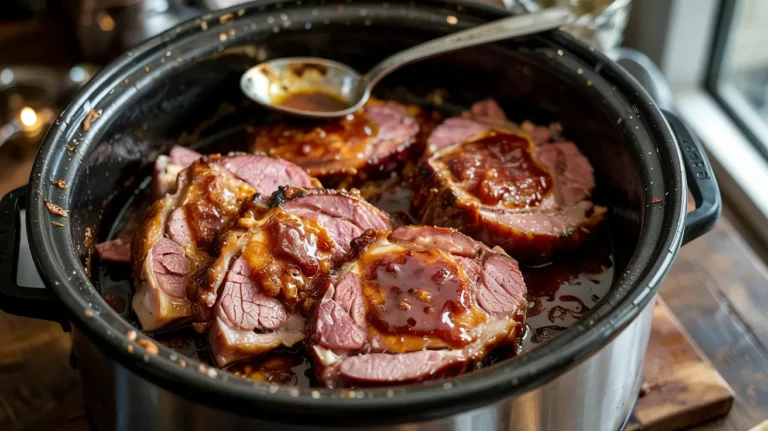
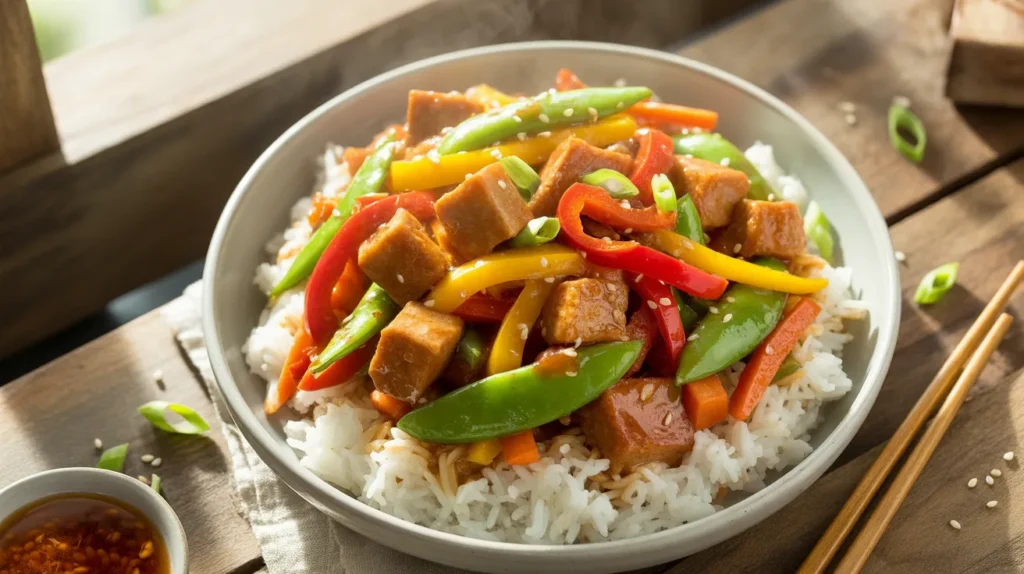
When you’ve got leftover ham sitting in your fridge, this leftover ham stir fry transforms those odds and ends into a weeknight dinner that tastes restaurant-quality. This quick stir fry recipe brings together tender ham chunks, crisp vegetables, and a savory sauce that makes everyone ask for seconds – no fancy techniques required, just simple steps that work every single time.
SERVES: 4 | PREP: 15 MIN | COOK: 12 MIN | TOTAL: 27 MIN
Ingredients
For the Stir Fry Base
| Ingredient | Amount |
|---|---|
| Leftover cooked ham, cubed | 2 cups |
| Vegetable oil | 2 tablespoons |
| Garlic cloves, minced | 4 |
| Fresh ginger, grated | 1 tablespoon |
| Bell pepper (any color), sliced | 1 large |
| Snap peas, trimmed | 1½ cups |
| Carrots, julienned | 1 cup |
| Green onions, chopped | 4 |
| Cooked rice | 4 cups |
For the Sauce
| Ingredient | Amount |
|---|---|
| Soy sauce (low-sodium) | 3 tablespoons |
| Oyster sauce | 2 tablespoons |
| Honey | 1 tablespoon |
| Rice vinegar | 1 tablespoon |
| Sesame oil | 1 teaspoon |
| Cornstarch | 1 teaspoon |
| Water | 2 tablespoons |
Step-by-Step Instructions
Phase 1: Sauce Preparation (2 minutes)
Step 1: Grab a small mixing bowl and combine 3 tablespoons soy sauce, 2 tablespoons oyster sauce, 1 tablespoon honey, 1 tablespoon rice vinegar, and 1 teaspoon sesame oil. The honey balances the salty elements while the vinegar adds brightness that cuts through the richness of the ham.
Step 2: Mix 1 teaspoon cornstarch with 2 tablespoons cold water in a separate small cup until completely smooth with no lumps. This slurry will thicken your sauce later, creating that glossy coating you see in restaurant stir fries. Set both mixtures aside within arm’s reach of your stove.
Phase 2: Prep Work (8 minutes)
Step 3: Cut your leftover ham into ½-inch cubes – this size ensures even heating without drying out the meat. If your ham has a thick fatty edge, trim most of it off but leave a thin layer for flavor. Pat the ham pieces dry with paper towels to prevent oil splattering when they hit the hot pan.
Step 4: Slice your bell pepper into ¼-inch strips lengthwise. Remove all seeds and white membranes since they taste bitter. The thin strips cook quickly and provide sweet crunch that contrasts beautifully with the savory ham.
Step 5: Trim the stringy ends off 1½ cups snap peas by pinching and pulling downward – this removes the tough fiber that gets stuck in your teeth. Leave the peas whole for maximum crunch and visual appeal.
Step 6: Peel 1 cup of carrots and cut them into matchstick-sized pieces (julienne cut). Thin pieces cook in the same time as other vegetables, preventing some ingredients from being raw while others turn mushy.
Phase 3: Cooking the Stir Fry (12 minutes)
Step 7: Heat a large wok or 12-inch skillet over high heat for 2 minutes until a drop of water sizzles and evaporates immediately. High heat is the secret to authentic stir fry – it creates that slightly charred flavor called “wok hei” while keeping vegetables crisp.
Step 8: Add 2 tablespoons vegetable oil and swirl to coat the entire cooking surface. Wait 30 seconds until the oil shimmers and barely starts smoking. If you add ingredients too early, they’ll steam instead of sear, giving you soggy vegetables instead of crispy ones.
Step 9: Toss in 4 minced garlic cloves and 1 tablespoon grated ginger. Stir constantly for 20 seconds – just until fragrant but not browned. Burnt garlic tastes bitter and ruins the whole dish, so keep those aromatics moving in the pan.
Step 10: Add your ham cubes to the pan in a single layer without crowding. Let them sit untouched for 90 seconds to develop golden-brown edges. Flip the pieces and cook another 60 seconds. The caramelization adds depth of flavor that plain reheated ham simply doesn’t have.
Step 11: Push the ham to the sides of your pan, creating an empty space in the center. Add bell pepper strips and carrots to this hot spot. Stir-fry for 2 minutes until the peppers just start to soften but still have snap. The vegetables will continue cooking from residual heat, so pull them early.
Step 12: Toss in the snap peas and stir everything together vigorously for 1 minute. The peas should turn bright green and become tender-crisp. If they stay dull green, they’re undercooked; if they turn olive green, they’re overdone.
Phase 4: Finishing the Dish (5 minutes)
Step 13: Pour your prepared sauce mixture over the ham and vegetables. Stir constantly for 30 seconds to coat everything evenly. The sauce should start bubbling immediately from the high heat.
Step 14: Give your cornstarch slurry a quick stir (it settles), then pour it into the pan while stirring continuously. Keep stirring for 60-90 seconds until the sauce thickens noticeably and turns glossy. You’ll see it transform from watery to clingy – that’s exactly what you want.
Step 15: Turn off the heat and fold in 4 chopped green onions, saving some of the dark green tops for garnish. The residual heat will soften them just enough while keeping their fresh, sharp flavor that cuts through the rich sauce.
Step 16: Taste a piece of ham with vegetables and sauce. If it needs more salt, add a splash more soy sauce (½ tablespoon) rather than table salt – soy sauce adds savory depth, not just saltiness. If it’s too salty, squeeze in a bit of fresh lime juice to balance.
Step 17: Divide 4 cups of cooked rice among four serving plates or bowls. Spoon the leftover ham stir fry generously over each rice portion, making sure everyone gets an equal share of meat and vegetables.
Step 18: Sprinkle reserved green onion tops over each serving and add optional sesame seeds for visual appeal and nutty flavor. Serve immediately while the vegetables are still crispy and the sauce is hot and glossy.
Chef’s Notes
Timing is everything. The difference between restaurant-quality leftover ham stir fry and a mushy mess comes down to seconds, not minutes. Keep your heat high and your stirring constant for the best texture.
Dry ingredients mean better searing. Pat everything dry before cooking – wet vegetables steam instead of caramelize, which gives you limp, flavorless results instead of the crispy-edged perfection you’re after.
Don’t crowd the pan. If your pan isn’t big enough to spread ingredients in a single layer, cook in two batches. Crowding drops the temperature, causing ingredients to release water and steam rather than getting that coveted char.
Ham quality matters. Honey-baked or spiral-cut ham works beautifully here, but avoid ultra-processed deli ham which turns rubbery when reheated. Leftover holiday ham is genuinely the best choice for this recipe.
Nutrition Information (Per Serving)
- Calories: 385
- Protein: 24g
- Carbohydrates: 48g
- Fat: 11g
- Fiber: 4g
- Sodium: 1,240mg
- Sugar: 9g
Creative Variations
Pineapple Ham Stir Fry
Add 1 cup fresh pineapple chunks when you add the bell peppers. The sweet-tart fruit pairs perfectly with ham, creating a Hawaiian-inspired dish that kids absolutely love. Reduce the honey to ½ tablespoon since pineapple adds plenty of sweetness.
Spicy Szechuan Version
Mix 1-2 teaspoons chili garlic sauce into your sauce base and add ½ teaspoon crushed red pepper flakes with the ginger. For another way to use leftover ham with bold flavors, try this leftover ham quesadilla that brings Mexican-inspired heat.
Cashew Crunch Stir Fry
Toss in ½ cup roasted cashews during the last minute of cooking for added protein and satisfying crunch. The buttery nuts complement the savory sauce beautifully and make the dish feel more substantial.
Asian Broccoli Ham Bowl
Swap snap peas for 2 cups small broccoli florets and add ¼ cup sliced water chestnuts for extra crunch. If you’re looking for more creative ham recipes, this leftover ham pizza takes those leftovers in a completely different direction.
Storage & Reheating
Refrigerator storage: Transfer cooled leftover ham stir fry to an airtight container and refrigerate for up to 4 days. Store the rice separately if possible – it prevents the vegetables from getting soggy as they release moisture.
Freezing instructions: This stir fry freezes reasonably well for up to 2 months, though the vegetables lose some crispness. Pack in freezer-safe containers, leaving ½ inch headspace for expansion. Label with the date and contents.
Best reheating method: Heat a skillet over medium-high heat with 1 teaspoon oil. Add the stir fry and cook for 3-4 minutes, stirring frequently, until heated through and vegetables regain some crispness. Microwave reheating makes everything mushy, so skip that if you can.
Reviving leftovers: If reheated stir fry tastes flat, brighten it with a squeeze of fresh lime juice and a sprinkle of fresh green onions. A dash of soy sauce or a drizzle of sesame oil also brings back the savory punch.
Troubleshooting Common Problems
Problem: Vegetables are soggy instead of crisp Your pan temperature was too low or you added too many ingredients at once, causing steaming instead of searing. Next time, preheat your pan until smoking-hot and cook in batches if needed. Pat vegetables bone-dry before cooking.
Problem: Sauce is watery and won’t thicken Either your cornstarch slurry wasn’t mixed properly (lumps prevent thickening), or you didn’t cook it long enough after adding. Make sure your slurry is completely smooth, then stir continuously for a full 90 seconds after adding it to the hot pan. The sauce must come to a full boil to activate the cornstarch.
Problem: Ham pieces are dry and rubbery You cooked the ham too long at too high heat. Ham is already cooked, so you’re just reheating and browning it – 2-3 minutes total is plenty. Pull the ham out after browning and add it back at the end just to warm through with the sauce.
Problem: Garlic burned and tastes bitter High heat burns garlic in seconds, which is why you stir constantly for only 20 seconds after adding it. If you smell burning rather than fragrance, it’s already too late. Dump it out, wipe the pan, and start over – there’s no saving burnt garlic.
Problem: Dish tastes flat or boring Stir fry needs a balance of salty, sweet, sour, and savory. If it tastes one-dimensional, add a splash of rice vinegar for tang, a drizzle of honey for sweetness, or more soy sauce for depth. Fresh ginger and garlic are non-negotiable for authentic flavor, so don’t skip or skimp on those.
Equipment Essentials
- Large wok or 12-inch skillet – Must be big enough to spread ingredients without crowding
- Sharp chef’s knife – For clean vegetable cuts that don’t bruise or tear
- Cutting board – Separate boards for vegetables and cooked ham prevent flavor transfer
- Small mixing bowls (2) – One for sauce, one for cornstarch slurry
- Wooden spoon or wok spatula – Won’t scratch your pan and can handle high heat
- Measuring spoons and cups – Accurate measurements keep the sauce balanced
- Box grater – For fresh ginger (microplane works too)
- Paper towels – Essential for patting ingredients dry before cooking
Shopping List
Produce Section
- Bell peppers (1 large)
- Snap peas (1½ cups or about 6 ounces)
- Carrots (2 medium)
- Green onions (1 bunch)
- Fresh ginger root (1 knob)
- Garlic (1 bulb)
Meat Department
- Leftover cooked ham (2 cups cubed, about 12 ounces)
Pantry Staples
- Vegetable oil
- Soy sauce (low-sodium)
- Oyster sauce
- Honey
- Rice vinegar
- Sesame oil
- Cornstarch
Grains & Rice
- Long-grain white rice or jasmine rice (enough for 4 cups cooked)
Success Secrets
1. Prep everything before heating the pan. Stir frying happens fast – once you start cooking, there’s no time to chop vegetables or mix sauces. Having everything measured, cut, and ready prevents burning and ensures even cooking.
2. Use day-old rice for best results. Freshly cooked rice is too moist and turns mushy when stir-fried. Refrigerated rice dries out slightly, giving you separate, fluffy grains instead of clumpy paste. Make rice the night before or spread fresh rice on a baking sheet to cool and dry for 30 minutes before using.
3. Cut vegetables the same size. When carrots, peppers, and peas are similar dimensions, they cook evenly in the same time. Mismatched sizes mean some pieces turn mushy while others stay raw and crunchy.
4. Keep the pan moving. Constant stirring and tossing prevents hot spots from burning ingredients while ensuring everything cooks evenly. If you’re not actively stirring or tossing, you’re doing it wrong – that’s why it’s called “stir” fry.
5. Taste and adjust before serving. Every brand of soy sauce and oyster sauce has different salt levels, and every batch of ham brings different seasoning. Always taste your finished dish and tweak the flavors – a squeeze of lime, dash of soy sauce, or drizzle of honey can transform good into spectacular.
This leftover ham stir fry proves that your holiday ham doesn’t need to turn into boring sandwiches for a week straight. With crispy vegetables, savory-sweet sauce, and perfectly caramelized ham chunks, you’ve got a meal that tastes better than takeout and costs a fraction of the price.