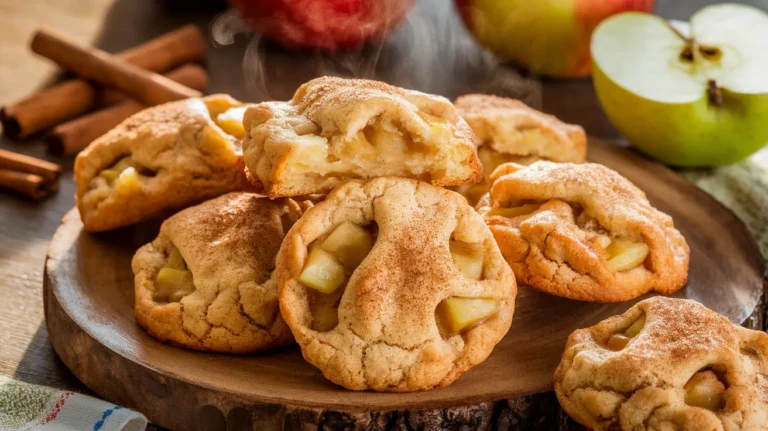
I never thought making salted caramel fudge at home could be this easy until I tried this foolproof recipe. The combination of sweet caramel with a hint of sea salt creates the perfect balance that makes this salted caramel fudge absolutely irresistible.
SERVES: 4 | PREP: 15 MIN | COOK: 10 MIN | TOTAL: 25 MIN (plus 2 hours chilling)
Ingredients
Base Ingredients
| Ingredient | Amount | Notes |
|---|---|---|
| Granulated sugar | 2 cups | White sugar works best |
| Heavy cream | ¾ cup | Full-fat only |
| Unsalted butter | 4 tablespoons | Room temperature |
| Light corn syrup | 2 tablespoons | Prevents crystallization |
| Vanilla extract | 1 teaspoon | Pure extract preferred |
| Flaky sea salt | 1 teaspoon | For topping |
Caramel Layer
| Ingredient | Amount | Notes |
|---|---|---|
| Caramel sauce | ½ cup | Store-bought or homemade |
| Sea salt | ¼ teaspoon | Mixed into caramel |
Step-by-Step Instructions
Phase 1: Preparation (5 minutes)
Step 1: Line an 8×8 inch baking pan with parchment paper, leaving a 2-inch overhang on two sides. This overhang acts as handles to lift the finished fudge out easily. Press the parchment into the corners firmly so it doesn’t shift while you pour the hot mixture later.
Step 2: Spray the parchment paper lightly with cooking spray and set aside. Even though parchment is non-stick, this extra step ensures your fudge releases perfectly without any sticking or tearing.
Step 3: Set out your butter on the counter to come to room temperature if you haven’t already. Room temperature butter mixes more smoothly into the hot sugar mixture and creates a creamier texture in your finished fudge.
Phase 2: Making the Fudge Base (10 minutes)
Step 4: Combine 2 cups sugar, ¾ cup heavy cream, and 2 tablespoons corn syrup in a heavy-bottomed saucepan. The heavy bottom prevents hot spots that can burn your sugar. Stir everything together with a wooden spoon until the sugar looks wet and grainy.
Step 5: Place the pan over medium heat and stir constantly for 2-3 minutes until the sugar completely dissolves. You’ll know it’s ready when you can’t feel any grittiness when you press the spoon against the pan bottom. This step is critical because undissolved sugar creates grainy fudge.
Step 6: Once dissolved, stop stirring and let the mixture come to a boil. Attach a candy thermometer to the side of the pan, making sure the tip doesn’t touch the bottom. Not touching the bottom is important because you want to measure the liquid temperature, not the pan temperature.
Step 7: Let the mixture boil without stirring until it reaches 238°F (soft-ball stage). This takes about 5-7 minutes. The mixture will bubble vigorously and turn a light golden color. Resist the urge to stir – stirring at this stage can cause crystallization and ruin your smooth texture.
Step 8: Watch carefully as it approaches 238°F. The temperature rises slowly at first, then speeds up near the end. When it hits exactly 238°F, immediately remove the pan from heat. Every degree matters here – too low and your fudge won’t set, too high and it becomes hard and crumbly.
Phase 3: Finishing the Fudge (3 minutes)
Step 9: Add 4 tablespoons butter and 1 teaspoon vanilla extract to the hot mixture. Don’t stir yet – just let them sit on top. Letting them sit for 30 seconds allows the butter to melt slightly, which makes mixing easier and creates a smoother texture.
Step 10: Now beat the mixture vigorously with a wooden spoon for 2-3 minutes. Your arm will get tired, but this beating is what gives fudge its characteristic smooth, creamy texture. The mixture will thicken noticeably and lose its glossy shine, becoming more matte and lighter in color.
Step 11: Pour half of the fudge mixture into your prepared pan and spread it evenly with a spatula. Work quickly because the fudge starts to set as it cools. Make sure to reach all corners for an even thickness.
Phase 4: Adding the Caramel Swirl (2 minutes)
Step 12: Warm ½ cup caramel sauce in the microwave for 15 seconds until it’s pourable but not hot. Mix in ¼ teaspoon sea salt. The slight warming makes the caramel easier to drizzle and helps it settle into the fudge without creating hard spots.
Step 13: Drizzle the salted caramel over the first fudge layer in a zigzag pattern. Use a butter knife to swirl it gently in figure-eight motions, creating marble patterns. Don’t overmix – you want distinct ribbons of caramel, not a completely blended color.
Step 14: Pour the remaining fudge mixture over the caramel layer and spread evenly. The second layer will partially mix with the caramel, creating beautiful swirls throughout your finished fudge.
Phase 5: Final Touches and Setting (2 hours)
Step 15: Immediately sprinkle 1 teaspoon flaky sea salt evenly over the top surface. Press it gently into the fudge with your fingertips so it sticks. The salt adds a sophisticated flavor contrast that balances the sweetness perfectly.
Step 16: Let the fudge cool at room temperature for 30 minutes, then transfer to the refrigerator. Refrigerate for at least 2 hours or until completely firm. Rushing this step results in fudge that’s too soft to cut cleanly.
Step 17: Once set, use the parchment overhang to lift the entire block out of the pan. Place it on a cutting board. Warm a sharp knife under hot water, dry it completely, then cut the fudge into 16 squares (4 pieces per person). Wipe and rewarm the knife between cuts for the cleanest edges.
Chef’s Notes
Temperature is Everything: The difference between perfect fudge and grainy disappointment is just a few degrees. Invest in a good candy thermometer and calibrate it by boiling water – it should read exactly 212°F at sea level. If you live at high altitude, reduce the target temperature by 2°F for every 1,000 feet above sea level.
Humidity Matters: Making fudge on a rainy or very humid day can affect the setting time and texture. If possible, choose a dry day for candy making. The extra moisture in the air interferes with how the sugar sets.
Butter Temperature Trick: Always add butter at the end when the mixture has cooled slightly. Adding it too early can make the fudge greasy as the fat separates. Room temperature butter incorporates more smoothly than cold butter.
Beating Technique: That vigorous beating after cooking isn’t just for mixing – it’s actually changing the crystal structure of the sugar, creating the smooth, creamy texture that defines good fudge. If your arm gets tired, take a 10-second break, but don’t skip this step.
Nutrition Information (Per Serving – 4 pieces)
- Calories: 520
- Total Fat: 18g
- Saturated Fat: 11g
- Carbohydrates: 88g
- Sugars: 82g
- Protein: 2g
- Sodium: 280mg
Creative Variations
Dark Chocolate Salted Caramel: Melt 4 ounces dark chocolate and swirl it alongside the caramel for a triple-threat flavor combination. The bitterness of dark chocolate complements the sweet caramel beautifully, much like how peppermint fudge balances minty freshness with sweetness.
Espresso Caramel Fudge: Add 2 tablespoons instant espresso powder to the sugar mixture before cooking. The coffee enhances the caramel flavor and adds sophisticated depth that adults especially love.
Pecan Praline Version: Fold in ½ cup toasted chopped pecans after beating the fudge. The nuts add crunch and earthy flavor that pairs perfectly with caramel. Toast the pecans first at 350°F for 8 minutes to intensify their flavor.
Holiday Layered Fudge: Create colorful layers by making this recipe alongside stained glass fudge for a stunning holiday dessert platter. The visual contrast makes an impressive gift presentation.
Storage & Reheating
Room Temperature: Store in an airtight container between layers of parchment paper for up to 5 days. Keep away from heat sources – fudge softens quickly in warm environments.
Refrigeration: Fudge keeps for 2 weeks refrigerated in an airtight container. Let it sit at room temperature for 15 minutes before serving so it’s not tooth-achingly cold.
Freezing: Wrap individual pieces in plastic wrap, then store in a freezer bag for up to 3 months. Thaw in the refrigerator overnight, then bring to room temperature before eating.
Gift Packaging: Layer pieces between wax paper in decorative tins. The fudge stays fresh for 1 week at room temperature when properly packaged, making it perfect for holiday gift giving.
Troubleshooting Common Problems
Grainy Texture: This happens when sugar crystals form during cooking. Make sure every grain of sugar is completely dissolved before the mixture boils. Stirring after boiling starts can also cause graininess – resist the urge to stir once it’s boiling.
Fudge Won’t Set: You didn’t reach 238°F, or you live at high altitude and needed to adjust the temperature. If your fudge is still soft after 4 hours in the fridge, you can remelt it, cook it to the correct temperature, and try again.
Too Hard and Crumbly: The mixture cooked past 238°F, removing too much moisture. Even 5 degrees over can make fudge hard instead of creamy. Next time, remove it from heat at exactly 238°F and watch your thermometer carefully.
Separated or Greasy: The butter was added when the mixture was too hot, or you used margarine instead of real butter. Always let the mixture cool slightly (about 30 seconds) before adding butter, and never substitute margarine.
Caramel Sank to Bottom: Your fudge base was too thin when you added the caramel layer, or you waited too long between layers. Work quickly and make sure the first layer is thick enough to support the caramel without letting it sink through.
Equipment Essentials

- Heavy-bottomed 3-quart saucepan (prevents burning)
- Candy thermometer (accurate to 1 degree)
- 8×8 inch baking pan
- Parchment paper
- Wooden spoon (doesn’t conduct heat)
- Rubber spatula
- Sharp knife
- Cutting board
Shopping List
Dairy Section
- Heavy cream
- Unsalted butter
Baking Aisle
- Granulated sugar
- Light corn syrup
- Vanilla extract
- Caramel sauce
Specialty Section
- Flaky sea salt
Paper Goods
- Parchment paper
5 Success Secrets
1. Test Your Thermometer: Before starting, test your candy thermometer’s accuracy by placing it in boiling water. It should read exactly 212°F. If it reads higher or lower, adjust your target temperature accordingly. A faulty thermometer is the number one cause of fudge failure.
2. Use the Cold Water Test: Don’t have a thermometer? Drop a small spoonful of the hot mixture into a glass of cold water. At soft-ball stage (238°F), it should form a soft, pliable ball that flattens when you remove it from the water. This old-fashioned method works reliably.
3. Control Your Heat: Medium heat is crucial – not medium-high, not medium-low. Too high and the mixture scorches before reaching temperature. Too low and it takes forever, giving the sugar time to crystallize. Find the sweet spot where it bubbles steadily but not violently.
4. Size Matters: The 8×8 inch pan size isn’t arbitrary. A larger pan makes thin, hard fudge. A smaller pan makes thick fudge that doesn’t set properly. Stick with the specified size for perfect texture every time.
5. Patience Pays Off: The hardest part is waiting for the fudge to set completely. Cutting it too early creates messy, soft pieces that lose their shape. Give it the full 2 hours in the refrigerator, and you’ll be rewarded with clean, professional-looking squares that hold together perfectly.