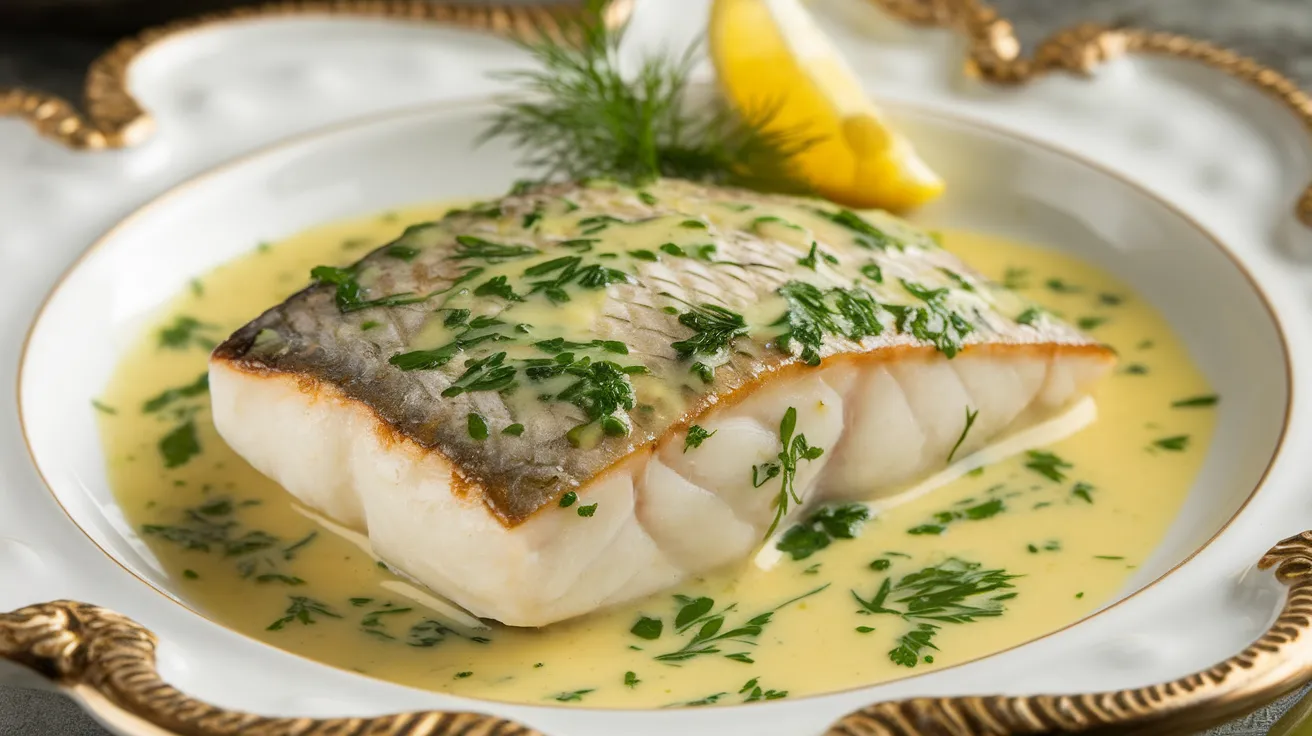
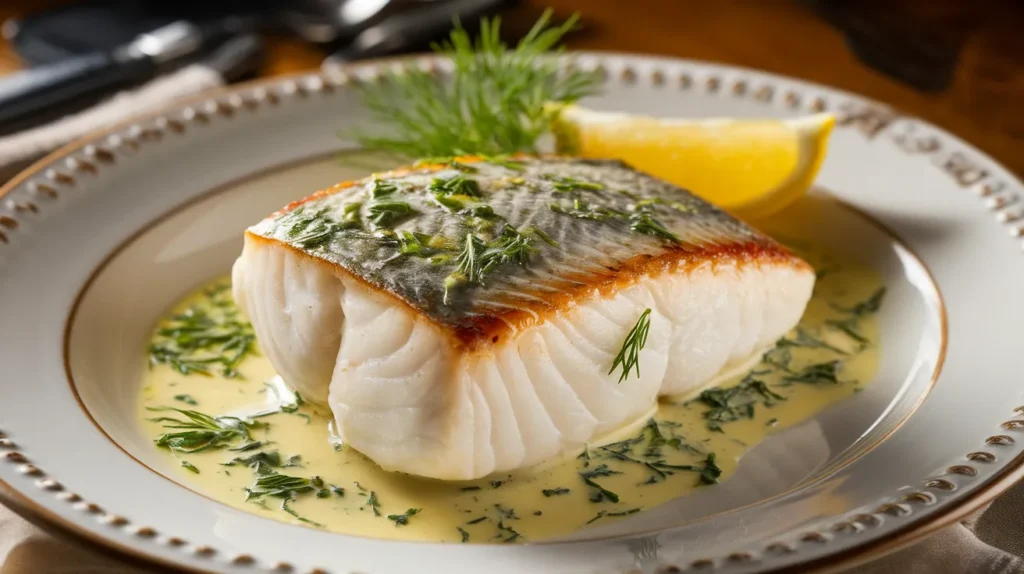
This luxurious sauce for white fish elevates any mild fillet into an elegant dining experience. Our foolproof sauce for white fish recipe combines fresh herbs, bright lemon, and velvety butter to create the ideal complement for delicate seafood. Even beginners can master this restaurant-quality sauce for white fish in under 30 minutes.
SERVES: 4 | PREP: 15 MIN | COOK: 10 MIN | TOTAL: 25 MIN
Ingredients
For the White Fish Sauce
| Ingredient | Amount |
|---|---|
| Unsalted butter | 6 tablespoons |
| Fresh lemon juice | 3 tablespoons |
| Lemon zest | 1 tablespoon |
| Fresh parsley, minced | 2 tablespoons |
| Fresh dill, minced | 1 tablespoon |
| Garlic, minced | 2 cloves |
| Dry white wine | 1/4 cup |
| Heavy cream | 2 tablespoons |
| Salt | 1/2 teaspoon |
| White pepper | 1/4 teaspoon |
For the Fish
| Ingredient | Amount |
|---|---|
| White fish fillets | 1.5 pounds |
| Olive oil | 2 tablespoons |
| Salt | 1 teaspoon |
| Black pepper | 1/2 teaspoon |
Detailed Step-by-Step Instructions
Phase 1: Essential Prep Work (8 minutes)
Step 1: Prepare Your Fish Properly Remove fish from refrigerator and place on a clean cutting board. Using paper towels, pat each fillet completely dry on both sides. This is crucial because any moisture will cause the fish to steam instead of sear, preventing that golden crust we want. Check for any remaining pin bones by running your fingers along the fillet – remove with tweezers if found.
Step 2: Season the Fish Like a Pro Sprinkle 1 teaspoon salt and 1/2 teaspoon black pepper evenly over both sides of all fillets. Don’t just sprinkle from high above – get your hand about 6 inches from the fish for even coverage. Let the seasoned fish sit on the counter for exactly 10 minutes. This brings the fish to room temperature, ensuring even cooking throughout.
Step 3: Prepare All Aromatics While fish comes to temperature, mince 2 garlic cloves very finely – pieces should be no larger than rice grains. Large garlic pieces will burn and turn bitter. Zest 1 whole lemon using a microplane grater, being careful to only remove the bright yellow skin, not the bitter white pith underneath. Juice the lemon into a small bowl and set aside separately.
Step 4: Prep Fresh Herbs Correctly Wash parsley and dill under cold water and shake dry thoroughly. Remove thick stems – only use the leafy parts. Chop herbs finely with a sharp knife, rocking the blade back and forth. Herbs should be minced small enough that you don’t get large pieces in your mouth when eating.
Step 5: Organize Your Workspace Place all ingredients within arm’s reach of your stove. Have a plate ready for cooked fish, covered with aluminum foil to keep warm. Measure the wine and cream into separate small bowls – once cooking starts, everything happens quickly and you won’t have time to measure.
Phase 2: Cooking Perfect White Fish (10 minutes)
Step 6: Heat the Pan Properly Place a large skillet (preferably stainless steel or cast iron) over medium-high heat. Add 2 tablespoons olive oil and let it heat for 2 full minutes. The oil is ready when it shimmers like liquid glass but doesn’t smoke. If it starts smoking, reduce heat immediately.
Step 7: Sear the Fish Without Moving It Gently lay each fillet in the pan, placing the thickest part toward the center where heat is most intense. You should hear an immediate sizzle – if not, your pan isn’t hot enough. Do not move, flip, or touch the fish for 4 full minutes. This creates the golden crust that locks in juices.
Step 8: Check for Perfect Browning After 4 minutes, lift one corner of a fillet with a thin spatula to peek underneath. You want a golden-brown color – not pale, not black. If still pale, cook 1 more minute. If browning too quickly, reduce heat to medium.
Step 9: Flip Fish Like a Professional Slide a thin spatula completely under each fillet and flip in one smooth motion away from your body. The cooked side should be beautifully golden. Cook the second side for 2-3 minutes only – it cooks faster since the fish is already hot.
Step 10: Test for Perfect Doneness Insert an instant-read thermometer into the thickest part of the largest fillet. It should read 145°F exactly. Alternatively, gently press the center – it should feel firm but still have slight give, like pressing the flesh between your thumb and forefinger.
Step 11: Rest the Fish Transfer all fillets to your foil-covered plate and tent loosely with the foil. Do not clean the pan – those brown bits stuck to the bottom are pure flavor gold for your sauce for white fish.
Phase 3: Building Your Sauce for White Fish Base (5 minutes)
Step 12: Start the Flavor Foundation Reduce heat to medium immediately. The pan will be very hot from cooking fish. Add minced garlic to the same pan with all those flavorful brown bits. Stir constantly for 30 seconds until fragrant but not brown – garlic burns quickly and becomes bitter.
Step 13: Deglaze with Wine Pour the 1/4 cup white wine directly into the pan – it will sizzle and steam vigorously. Immediately grab your wooden spoon and scrape up all those brown bits from the bottom. This process, called deglazing, captures all the caramelized flavors from cooking the fish.
Step 14: Reduce the Wine Properly Let the wine simmer actively for exactly 2 minutes, stirring occasionally. You’ll notice the alcohol smell becoming less sharp as it cooks off. The wine should reduce by about half – you’ll see the liquid level drop noticeably in the pan.
Phase 4: Creating the Perfect Sauce for White Fish (4 minutes)
Step 15: Add Bright Citrus Elements Pour in the fresh lemon juice and add the lemon zest to the pan. Stir immediately to combine. The acid will brighten all the flavors and you’ll smell the fresh citrus aroma rise from the pan.
Step 16: Create the Butter Emulsion This is the most important step for a silky sauce. Remove the pan from heat completely. Add 1 tablespoon of cold butter and whisk vigorously until it’s almost melted. Add the second tablespoon and whisk again. Continue one tablespoon at a time until all 6 tablespoons are incorporated. The sauce should look glossy and smooth.
Step 17: Add Cream for Stability Return pan to very low heat and whisk in the heavy cream. This prevents the butter emulsion from breaking and adds luxurious richness to your sauce for white fish. Whisk gently for 30 seconds until completely smooth.
Step 18: Season and Add Fresh Herbs Stir in the minced parsley and dill, then season with salt and white pepper. Taste the sauce with a clean spoon – it should be bright, buttery, and herbaceous. Adjust seasoning if needed – more lemon juice for brightness, more salt for depth.
Phase 5: Final Assembly and Plating (2 minutes)
Step 19: Warm the Fish Gently Return the fish fillets to the pan with the sauce for just 30 seconds to warm through. Don’t cook further – you’re just reheating. Spoon some sauce over each fillet while in the pan.
Step 20: Plate Like a Restaurant Transfer each fillet to individual warm plates. Spoon the remaining sauce generously over and around each piece of fish. Garnish with a small sprig of fresh dill if desired and serve immediately while the sauce is perfectly warm and emulsified.
Professional Chef’s Notes for White Fish Sauce
Butter Temperature Secret: Always use cold butter straight from the refrigerator when making the emulsion. Room temperature butter won’t create the same silky texture that makes this sauce for white fish so special.
Heat Control is Everything: Keep your sauce at the lowest possible simmer once you add the butter. High heat will cause the emulsion to break, leaving you with greasy, separated butter instead of smooth sauce.
Fresh Herb Timing: Add delicate herbs like parsley and dill at the very end of cooking. They lose their vibrant color and fresh flavor when exposed to heat for too long.
Wine Quality Matters: Use a dry white wine you would actually drink – sauvignon blanc or pinot grigio work perfectly. The flavor concentrates as it reduces, so avoid anything too sweet or heavily oaked.
Nutrition Information (Per Serving)
- Calories: 285
- Protein: 32g
- Carbs: 3g
- Fat: 15g
- Sodium: 420mg
- Fiber: 0g
Creative Sauce for White Fish Variations
Mediterranean Herb Sauce
Transform your basic sauce by replacing dill with 2 tablespoons fresh oregano and adding 2 tablespoons capers during the wine reduction. This creates a briny, Mediterranean-style sauce for white fish that pairs beautifully with halibut or sea bass. For more Mediterranean seafood inspiration, check out this complementary sauce for tuna steak recipe.
Spicy Jalapeño Cream Sauce
Add 1 finely minced jalapeño pepper along with the garlic for a kick of heat. Replace lemon juice with fresh lime juice for a Mexican-inspired twist on traditional sauce for white fish.
Rich Mustard Wine Sauce
Whisk 2 teaspoons Dijon mustard into the cream for a tangy, sophisticated flavor. This variation works especially well with thicker white fish fillets like cod or mahi-mahi.
Asian-Style Ginger Sauce
Replace herbs with 1 tablespoon minced fresh ginger and substitute soy sauce for salt. Finish with a drizzle of sesame oil and chopped green onions. This technique also works wonderfully with yellowfin tuna sauce preparations.
Storage & Reheating Your White Fish Sauce
Proper Refrigeration
Store leftover sauce for white fish separately from the cooked fish in an airtight container for up to 3 days maximum. The butter will solidify when cold but will return to its creamy consistency when properly reheated.
Gentle Reheating Method
Never use the microwave to reheat butter-based sauces as it will break the emulsion. Instead, warm the sauce in a small saucepan over the lowest heat setting, whisking constantly until smooth and warm.
Make-Ahead Preparation
Prepare your herb mixture and minced garlic up to 4 hours ahead of cooking time. Store covered in the refrigerator. However, the sauce for white fish itself is best made fresh for optimal texture and flavor.
Complete Troubleshooting Guide
Problem: My Sauce Looks Broken or Greasy
Detailed Solution: This happens when the butter emulsion breaks due to too much heat. Remove the pan from heat immediately and whisk in 1 tablespoon of cold heavy cream vigorously. If still broken, transfer to a blender and blend on low speed for 30 seconds.
Problem: Fish Sticks to the Pan
Detailed Solution: This indicates your pan wasn’t hot enough or the fish wasn’t dry enough. Ensure your oil shimmers before adding fish and always pat fish completely dry. Once fish goes in the pan, resist the urge to move it – it will release naturally when ready.
Problem: Sauce is Too Thick
Detailed Solution: Thin your sauce for white fish with 1 tablespoon of warm fish stock or white wine – never plain water which dilutes flavor. Add gradually while whisking until you reach desired consistency.
Problem: Fish is Overcooked and Dry
Prevention Solution: Use an instant-read thermometer and remove fish at exactly 145°F. Remember that fish continues cooking from residual heat even after removing from the pan, so slightly underdone is better than overdone.
Problem: Sauce Tastes Bland or Flat
Flavor Fix: Your sauce needs more acid and salt. Add lemon juice 1 teaspoon at a time and salt in small pinches until flavors brighten. Acid is especially important in rich, buttery sauces.
Essential Equipment for Perfect Results
- Large stainless steel or cast iron skillet (non-stick won’t brown fish properly)
- Thin fish spatula with beveled edge for easy flipping
- Wire whisk for creating smooth sauce emulsion
- Instant-read thermometer for perfect fish doneness
- Microplane grater for fine lemon zest
- Small prep bowls for organizing ingredients
Organized Shopping List
Seafood Counter
- White fish fillets (cod, halibut, sea bass, or flounder – 1.5 pounds)
Dairy Section
- Unsalted butter (1 stick minimum)
- Heavy cream (small container)
Produce Section
- Fresh lemons (2-3 whole lemons for juice and zest)
- Fresh parsley (1 bunch)
- Fresh dill (1 small package)
- Garlic (1 bulb)
Wine/Liquor Section
- Dry white wine (sauvignon blanc or pinot grigio)
Pantry Items
- Extra virgin olive oil
- Salt and white pepper
Five Essential Success Secrets
1. Temperature Control is Everything: Room temperature fish cooks evenly while cold fish from the refrigerator will be overcooked outside and undercooked inside. Always let fish sit for 10 minutes before cooking.
2. Patience Creates Perfect Crust: Never move fish during the first 4 minutes of cooking. The natural proteins will release from the pan when properly seared, creating that restaurant-quality golden crust.
3. Cold Butter Creates Magic: Add butter straight from refrigerator one piece at a time while whisking. This temperature contrast creates the silky emulsion that makes professional sauce for white fish so luxurious.
4. Fresh Herbs Make the Difference: Dried herbs cannot substitute for fresh in this delicate sauce. Fresh parsley and dill provide bright, clean flavors that complement the rich butter base perfectly.
5. Timing is Critical for Best Results: This sauce for white fish is best served immediately while the butter emulsion is perfectly smooth and the fish is hot. Plan your meal timing so everything comes together at once for restaurant-quality results.