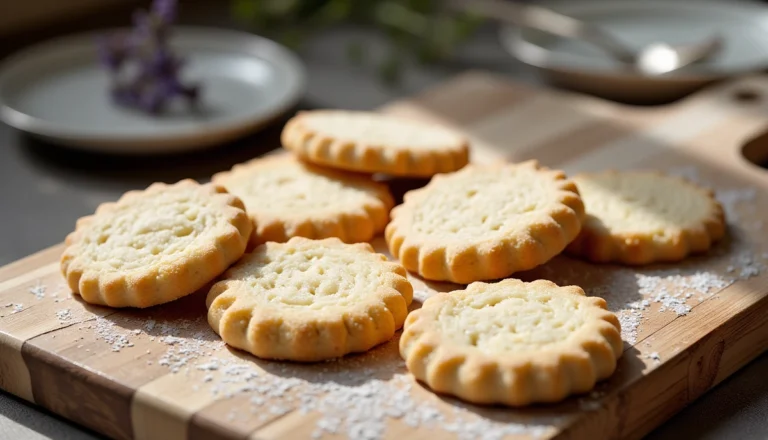
There’s something magical about cranberry-orange shortbread during the holidays. I’ve been making this cranberry-orange shortbread for years, and it never fails to disappear within hours of coming out of the oven. The buttery crumb combines perfectly with tart cranberries and bright citrus, creating cookies that feel fancy but come together with just a handful of ingredients.
SERVES: 4 | PREP: 20 MIN | COOK: 18 MIN | TOTAL: 38 MIN
Ingredients
| Category | Ingredient | Amount |
|---|---|---|
| Base | Unsalted butter, softened | 1/2 cup (1 stick) |
| Granulated sugar | 1/4 cup | |
| All-purpose flour | 1 cup | |
| Cornstarch | 2 tablespoons | |
| Salt | 1/4 teaspoon | |
| Flavor | Orange zest | 1 tablespoon (from 1 large orange) |
| Dried cranberries, chopped | 1/3 cup | |
| Vanilla extract | 1/2 teaspoon | |
| Finishing | Coarse sugar (optional) | 1 tablespoon |
Step-by-Step Instructions
Phase 1: Preparing the Dough (8 minutes)
Step 1: Take your butter out of the fridge 30 minutes before starting. It should feel like cool playdough when you press it—not greasy or melting.
Step 2: Preheat your oven to 325°F. This lower temperature is crucial because it prevents the edges from browning too quickly while the centers stay raw.
Step 3: Line a baking sheet with parchment paper and set aside. The parchment prevents sticking and makes cleanup a breeze.
Step 4: In a medium bowl, cream the softened butter and sugar together using a wooden spoon or hand mixer for 2-3 minutes. You’ll know it’s ready when it looks pale yellow and fluffy, not grainy.
Step 5: Zest your orange directly over the butter mixture to capture all those fragrant oils. Use a microplane or fine grater, taking only the orange part—the white pith tastes bitter.
Step 6: Add the vanilla extract and mix until just combined. The mixture will smell incredible at this point.
Phase 2: Building the Dough (5 minutes)
Step 7: In a separate bowl, whisk together flour, cornstarch, and salt. The cornstarch makes your cranberry-orange shortbread extra tender and crumbly.
Step 8: Add the dry ingredients to the butter mixture in two additions. Mix gently after each addition until you see no white streaks, but stop before it becomes smooth—overmixing creates tough cookies.
Step 9: Roughly chop your dried cranberries into smaller pieces. This helps distribute them evenly and prevents large chunks from falling out.
Step 10: Fold the chopped cranberries into the dough using a spatula. The dough will look crumbly at first, but it’ll come together when pressed.
Phase 3: Shaping and Baking (5 minutes prep + 18 minutes baking)
Step 11: Turn the dough onto a clean counter and gently knead it 3-4 times until it holds together. If it’s too crumbly, add 1/2 teaspoon of cold water.
Step 12: Shape the dough into a 6-inch log or pat it into a 1/2-inch thick rectangle on your prepared baking sheet. For round cookies, slice the log into 12 pieces. For traditional shortbread fingers, cut the rectangle into 12 bars.
Step 13: Space the pieces 1 inch apart on your baking sheet. Shortbread doesn’t spread much, but you want some room for air circulation.
Step 14: Prick each piece 3-4 times with a fork. This classic shortbread look isn’t just decorative—it prevents air pockets from forming.
Step 15: Sprinkle coarse sugar over the tops if you want extra crunch and sparkle. This step is optional but makes them look bakery-perfect.
Step 16: Bake for 16-18 minutes until the edges just barely turn golden. The centers should still look pale. They’ll firm up as they cool.
Phase 4: Cooling and Finishing (7 minutes)
Step 17: Let the cookies cool on the baking sheet for 5 minutes. They’re extremely fragile when hot and will crumble if you move them too soon.
Step 18: Transfer to a wire rack to cool completely, about 15-20 minutes. The texture transforms from soft to crisp as they reach room temperature.
Chef’s Notes
Butter Temperature Matters: Room temperature butter creates the perfect texture for cranberry-orange shortbread. If your butter is too cold, the dough won’t come together. Too warm, and your cookies will spread.
Fresh vs. Dried Cranberries: Dried cranberries work best because fresh ones release too much moisture during baking. If you only have fresh, toss them in 1 tablespoon sugar first.
Citrus Boost: For even more orange flavor, add 1/4 teaspoon orange extract along with the vanilla. Just like the spiced shortbread I make during Christmas, a little extract goes a long way.
Storage Secret: These cookies actually taste better the next day. The flavors meld together overnight, creating a more complex taste.
Nutrition Information (Per Serving – 3 cookies)
- Calories: 285
- Protein: 2g
- Carbohydrates: 34g
- Fat: 16g
- Fiber: 1g
- Sugar: 14g
Creative Variations
White Chocolate Drizzle: Melt 2 ounces white chocolate and drizzle over cooled cookies. The creamy chocolate pairs beautifully with tart cranberries, similar to my chocolate-dipped shortbread.
Lemon-Cranberry Version: Swap orange zest for lemon zest and add 1/4 teaspoon almond extract. This creates a brighter, more floral cranberry-orange shortbread variation.
Glazed Holiday Cookies: Mix 1/2 cup powdered sugar with 1 tablespoon orange juice and brush over warm cookies. Let it set for 10 minutes before serving.
Rosemary Twist: Add 1 teaspoon finely minced fresh rosemary to the dough. The herbal note makes these sophisticated enough for dinner parties.
Storage & Reheating
Store your cranberry-orange shortbread in an airtight container at room temperature for up to 2 weeks.
Layer them between sheets of parchment paper to prevent sticking.
These cookies freeze beautifully for up to 3 months. Freeze them in a single layer on a baking sheet first, then transfer to a freezer bag.
No need to thaw before serving—they taste amazing straight from the freezer with coffee.
For extra-crispy cookies, warm them in a 300°F oven for 3-4 minutes before serving.
Troubleshooting Common Problems
Problem 1: Cookies spreading too much Your butter was too warm when you started. Next time, make sure it’s cool to the touch, and chill your shaped dough for 15 minutes before baking.
Problem 2: Dry, crumbly texture You probably overbaked them or didn’t use enough butter. Shortbread should come out of the oven looking barely golden. Remove them at 16 minutes even if they look underdone.
Problem 3: Tough instead of tender Overmixing develops gluten, making cookies chewy instead of crumbly. Mix just until ingredients combine, and handle the dough as little as possible.
Problem 4: Cranberries falling out Your pieces were too large. Chop dried cranberries into 1/4-inch pieces so they integrate better into the dough.
Problem 5: Uneven baking Your oven has hot spots. Rotate your baking sheet halfway through cooking, and use an oven thermometer to verify your temperature is accurate.
Equipment Essentials

- Medium mixing bowl
- Wooden spoon or hand mixer
- Microplane or fine grater for zesting
- Measuring cups and spoons
- Whisk
- Rubber spatula
- Baking sheet
- Parchment paper
- Wire cooling rack
- Sharp knife for chopping cranberries
- Fork for pricking dough
Shopping List (Organized by Store Section)
Dairy Section:
- Unsalted butter (1 stick)
Baking Aisle:
- All-purpose flour
- Granulated sugar
- Cornstarch
- Vanilla extract
- Coarse sugar (optional)
Produce Section:
- Large orange (for zest)
Dried Fruit Section:
- Dried cranberries
Spices & Seasonings:
- Salt
Success Secrets
1. Weigh your flour if possible—1 cup should equal 120 grams. Too much flour makes dense, dry shortbread.
2. Press your fork into flour before pricking each cookie. This prevents the dough from sticking to the tines.
3. Don’t skip the cornstarch—it’s the secret ingredient that gives cranberry-orange shortbread that signature melt-in-your-mouth texture.
4. Let your dough rest for 10 minutes after mixing if it feels too soft to shape. This makes it easier to work with.
5. Bake one test cookie first to check your oven temperature. Every oven runs differently, and this saves you from ruining the whole batch.